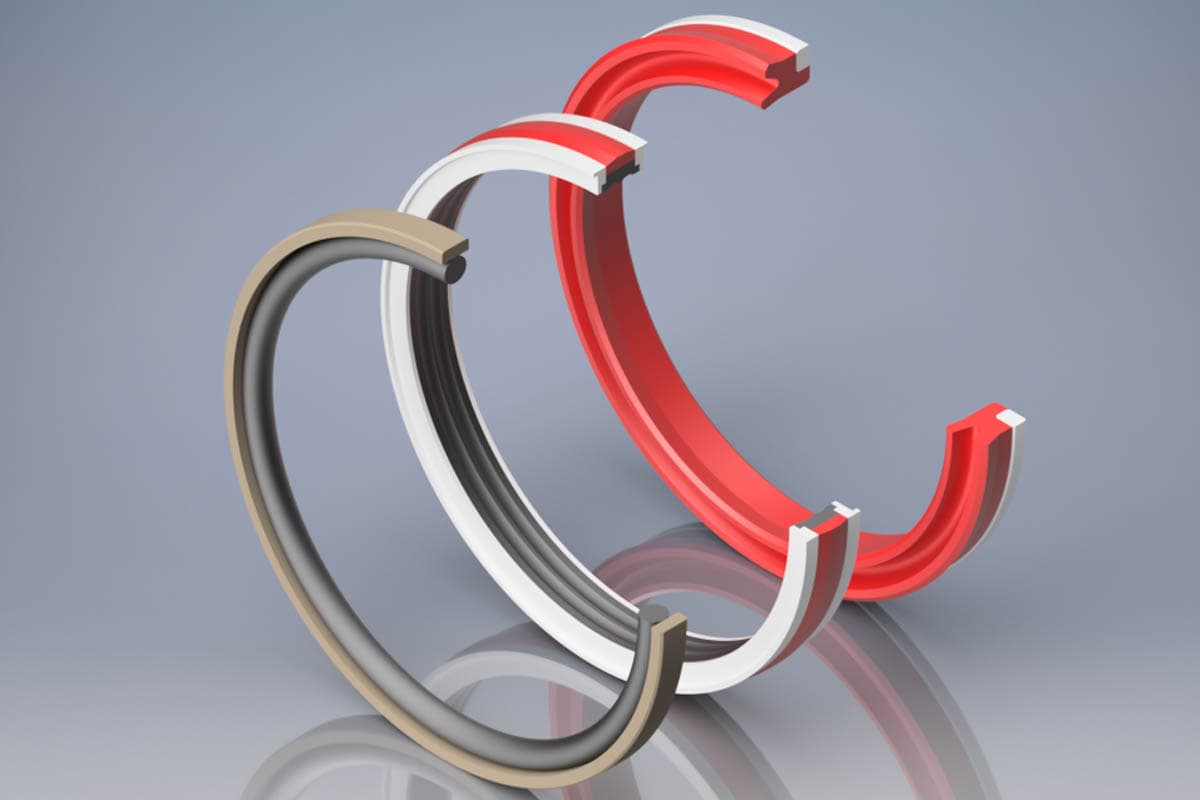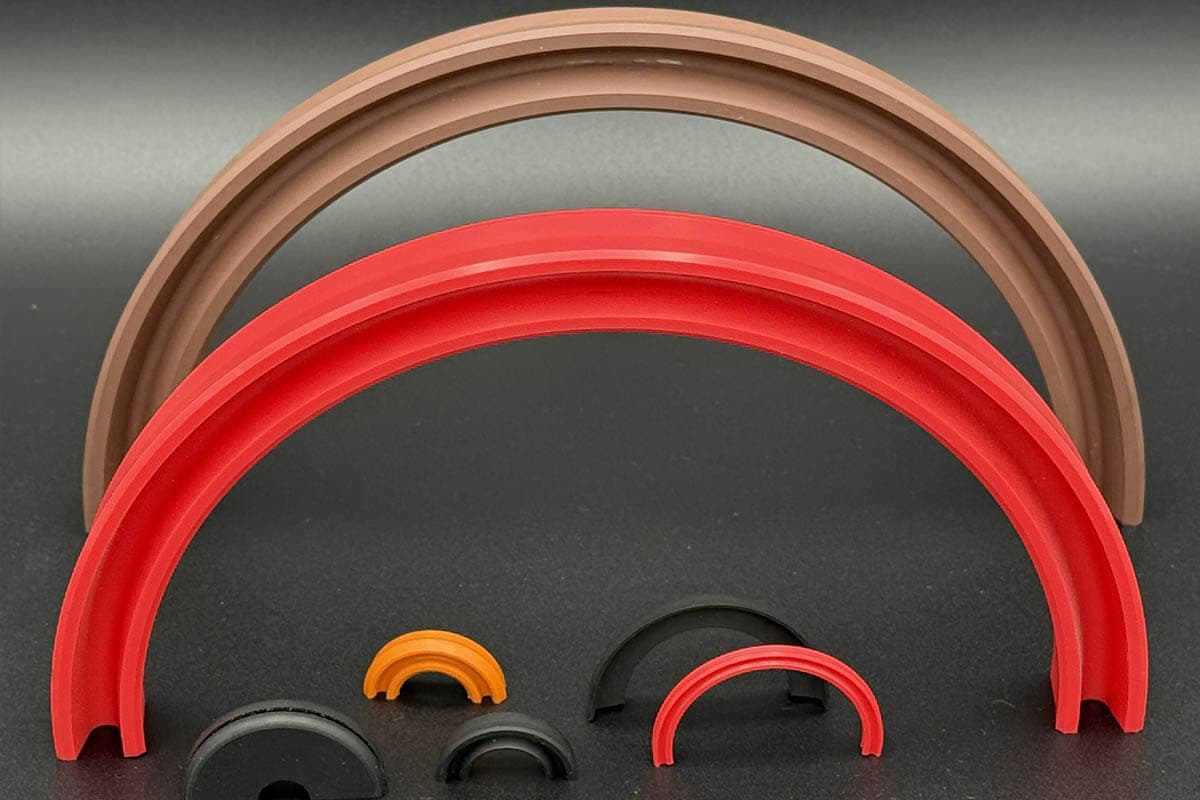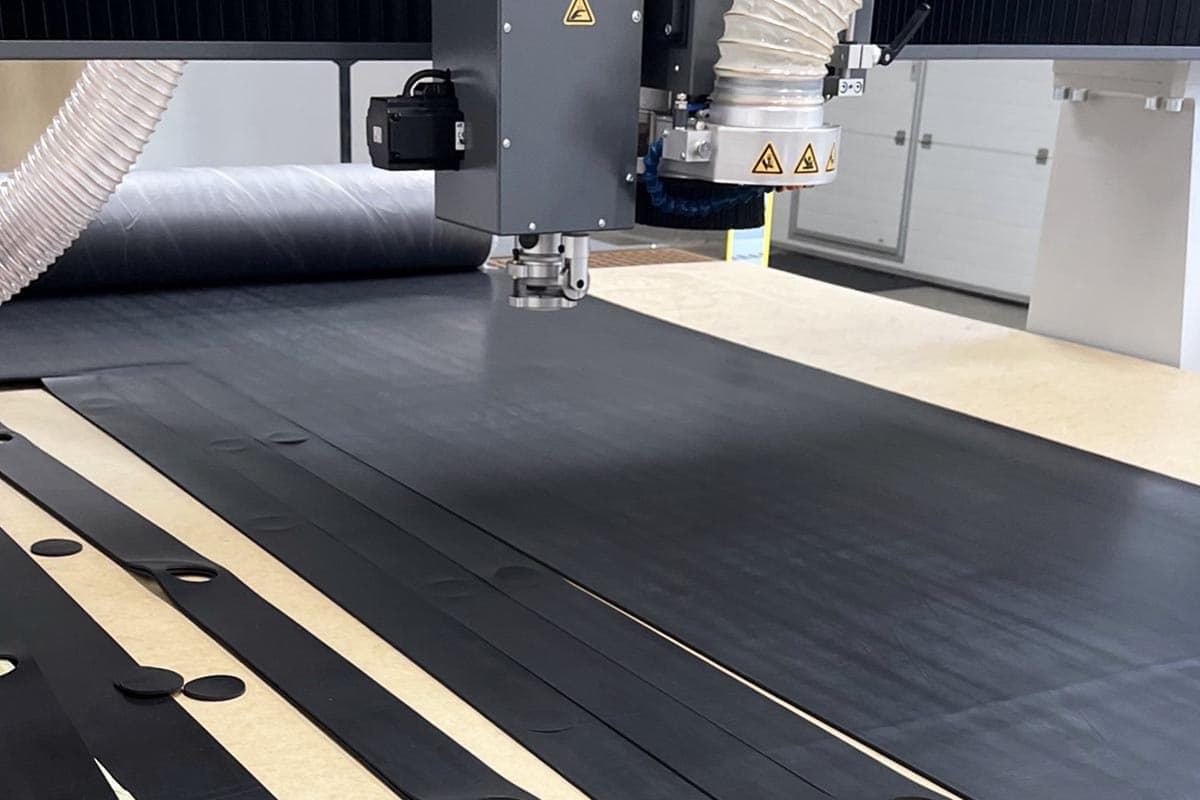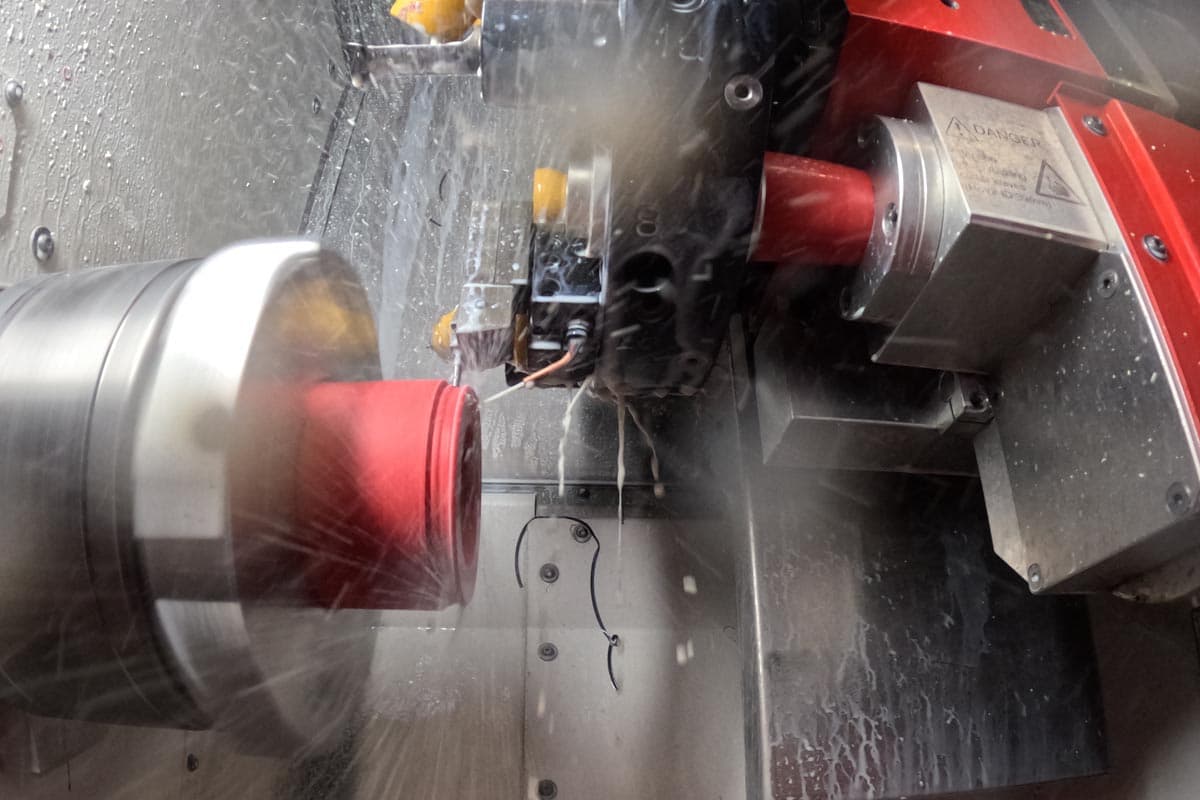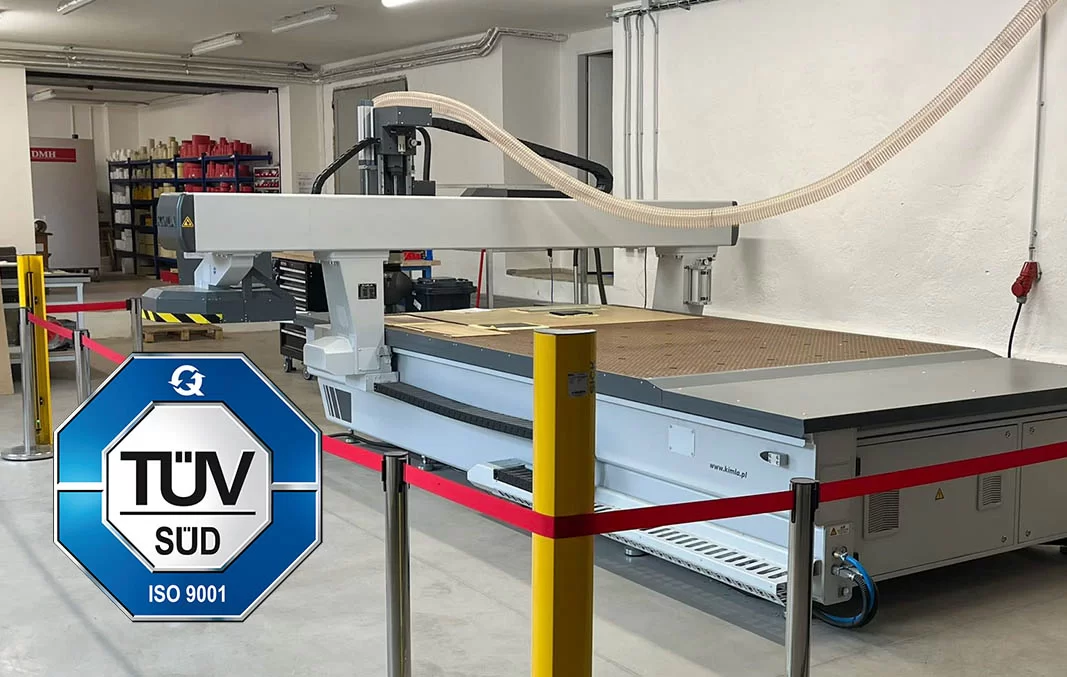


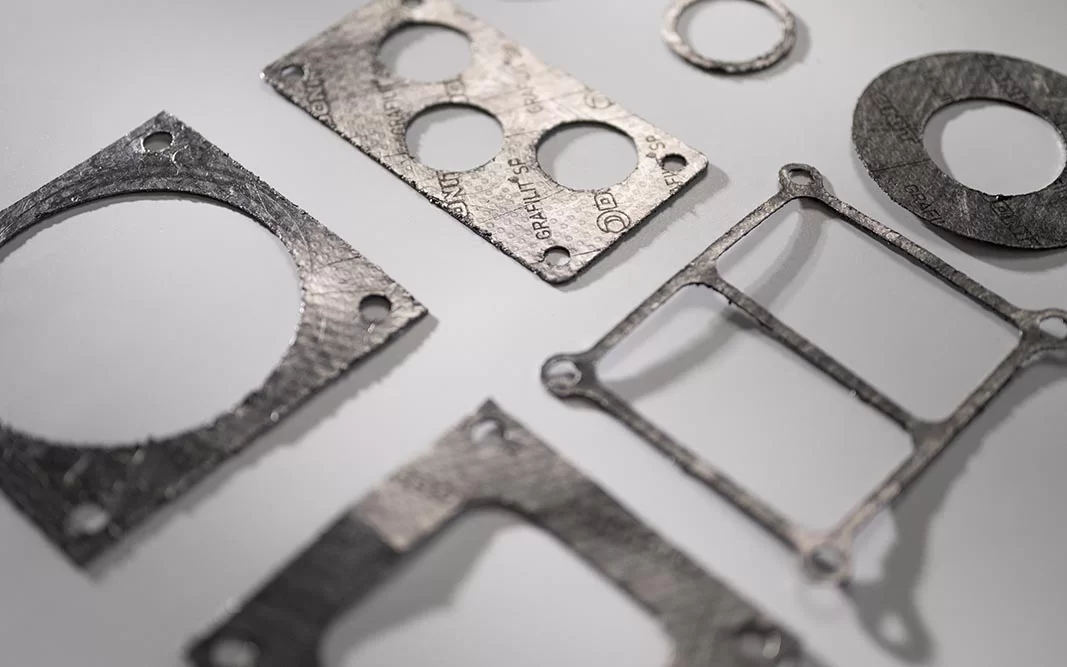
Jedním z mnoha materiálů, z kterého vyrábíme těsnění je expandovaný grafit. Díky naší technologii CNC výroby dokážeme z tohoto materiál vyrobit jakýkoliv tvarový výsek nebo ploché těsnění a to jak v kusovém množství, tak i ve velkých sériích a to přesně a efektivně.
Expandovaný grafit je specializovaný materiál, který díky své výjimečné kombinaci vlastností nachází uplatnění v mnoha aplikacích zejména pro výrobu těsnění.
Expandovaný grafit a jeho hlavní vlastnosti
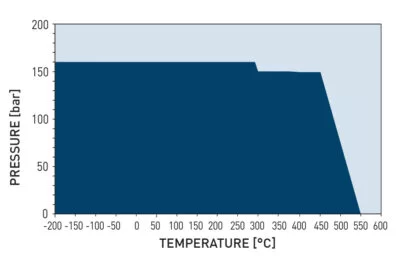
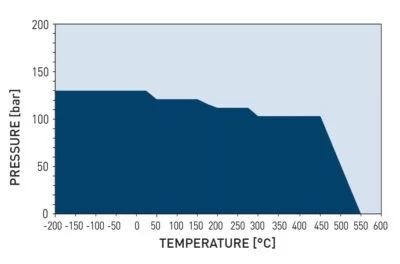
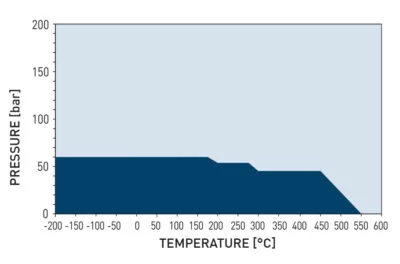
- Dlouhodobá teplotní odolnost -200°C až +550°C
- Maximální provozní tlak 200 bar
- Výborná chemická odolnost a stabilita
- Nízká permeability – propustnost plynů
- Více o grafitu, možnostech výroby těsnění a jeho použití naleznete níže.
Expandovaný grafit
Grafit je dostupný ve více materiálových variantách, nicméně nejčastěji užívaným typem je expendovaný grafit vyztužený vložkou z nerezové oceli, která zlepšuje odolnost a plošné zatížení materiálu a zvláště u malých tlouštěk snižuje křehkost materiálu a zlepšuje manipulaci s ním.
Základní vlastnosti materiálu pro výrobu těsnění
| Složení | Expandovaný přírodní grafit (obsah grafitu >99%) Vložka z nerezové oceli AISI 316 o tl. 0,1 mm |
| Barva | Černá |
| Certifikace a astesty | BAM (kyslík) | DNV GL | DVGW DIN 30653 (5 bar) | DVGW DIN 3536-6 | FIRE SAFE API607 |
| Standardní rozměr desky | 1000 x 1000 mm | 1500 x 1500 mm |
| Dostupné tloušťky | 1,0 mm | 1,5 mm | 2,0 mm | 3,0 mm |
| Minimální dlouhodobá teplota | 200 °C / -238 °F |
| Maximální dlouhodobá teplota | 550 °C / 1022 °F |
| Maximální provozní tlak | 200 bar |
Provozní tlak v závislosti na provozní teplotě
Grafitové těsnění a jeho využití v průmyslu
Grafitové těsnění patří mezi klíčové komponenty v průmyslových aplikacích, kde jsou vyžadovány vysoké nároky na těsnost, tepelnou odolnost a chemickou stabilitu. Díky svým jedinečným vlastnostem, mezi něž patří vysoká tepelná odolnost, odolnost vůči chemikáliím a schopnost přizpůsobit se nepravidelným povrchům, nachází grafitové těsnění široké uplatnění v různých odvětvích průmyslu.
Vlastnosti grafitového těsnění
Grafitové těsnění je vyrobeno z expandovaného grafitu, což je materiál s výjimečnými fyzikálními a chemickými vlastnostmi:
- Tepelná odolnost – Grafitové těsnění je schopné odolávat teplotám až 3000 °C v inertním prostředí a přibližně 550 °C v oxidačních prostředích.
- Chemická stabilita – Odolává širokému spektru agresivních chemikálií, kyselin, zásad a organických rozpouštědel.
- Výborná těsnicí schopnost – Díky své flexibilitě a schopnosti adaptovat se na nepravidelné povrchy dokáže vytvářet těsnění i v náročných podmínkách s proměnlivými tlaky.
- Nízká permeabilita – Grafit je téměř nepropustný pro plyny a kapaliny, což zajišťuje efektivní utěsnění i v prostředí s extrémními tlaky.
Hlavní oblasti využití grafitového těsnění
- Energetika – Grafitové těsnění je široce využíváno v elektrárnách, především ve vysokotlakých parních kotlích, kde se uplatňuje jeho vysoká odolnost vůči teplotám a tlakům. Používá se k utěsnění přírubových spojů, ventilů a dalších kritických částí systémů pro přepravu páry a horké vody.
- Petrochemický průmysl – V rafineriích a chemických závodech se grafitové těsnění používá v prostředí agresivních chemikálií a vysokých teplot. Typické aplikace zahrnují utěsnění nádob, potrubí a ventilů vystavených kyselinám, zásadám nebo jiným korozivním látkám.
- Chemický průmysl – Grafitová těsnění nacházejí uplatnění při výrobě chemikálií, kde je třeba utěsnit systémy přepravující agresivní média za vysokých teplot. Grafitové materiály jsou zde nepostradatelné díky své odolnosti vůči chemickým reakcím, ať už jde o výrobu kyselin, hnojiv nebo rozpouštědel.
- Automobilový průmysl – V automobilovém průmyslu jsou grafitová těsnění používána zejména v motorových systémech, kde se nachází v prostředí s vysokými teplotami a tlaky. Typickým příkladem jsou těsnění výfukových systémů nebo hlavy válců, kde je potřeba odolat extrémním teplotám, vibracím a tlakům.
- Ocelářský a hutní průmysl – V ocelářském a hutním průmyslu se grafitová těsnění používají ve vysokoteplotních aplikacích, jako jsou pece na tavení kovů nebo systémy pro odvod plynů a par. Díky své odolnosti vůči vysokým teplotám a chemickým vlivům jsou ideální pro prostředí, kde běžné těsnicí materiály selhávají.
- Farmaceutický průmysl – I v náročných hygienických podmínkách farmaceutické výroby může být grafitové těsnění využito, zejména tam, kde se pracuje s vysokými teplotami nebo agresivními chemikáliemi. Při výrobě léčiv je důležitá nejen těsnicí schopnost, ale i chemická inertnost materiálu, aby nedocházelo k znečištění produktů.
Další detaily o materiálu lze nalézt na tomto odkazu.
Technické vlastnosti materiálu
V tabulce naleznete podrobné vlastnosti expandovaného grafitu, který se využívá pro výrobu těsnění. Tyto vlastnosti byly testovány na materiálu tl. 1,5 mm.
| Vlastnost | Norma | Jednotka | Hodnota |
|---|---|---|---|
| Hustota | DIN 28090-2 | g/cm3 | 1,5 |
| Hustota (čistý grafit) | DIN 28090-2 | g/cm3 | 1,0 |
| Celkový obsah síry | ASTM D5016 | ppm | / |
| Obsah chloridů | FSA NMG 202 | ppm | 20 |
| Obsah fluoridů | FSA NMG 203 | ppm | 20 |
| Obsah popela | DIN 51903 | % | <1 |
| Stlačitelnost | ASTM F36A | % | 35 |
| Zotavení | ASTM F36A | % | 17 |
| Zbytkové pnutí (50 MPa, 300°C, 16 h) | DIN 52913 | MPa | 49 |
| Specific leak rate | DIN 3535-6 | mg/(s·m) | 0,05 |
| Modul komprese | DIN 28090-2 | ||
| – V pokojové teplotě: εKSW | % | 34 | |
| – Ve zvýšené teplotě: εKSW/300°C | % | 1,2 | |
| Creep relaxation | DIN 28090-2 | ||
| – V pokojové teplotě: εKSW | 4,2 | ||
| – Ve zvýšené teplotě: εKSW/300°C | 3,3 | ||
| Provozní podmínky | |||
| – Minimální dlouhodobá teplota | °C/°F | -200/-328 | |
| – Maximální dlouhodobá teplota | °C/°F | 550/1022 | |
| – Maximální provozní tlak | bar | 200 |