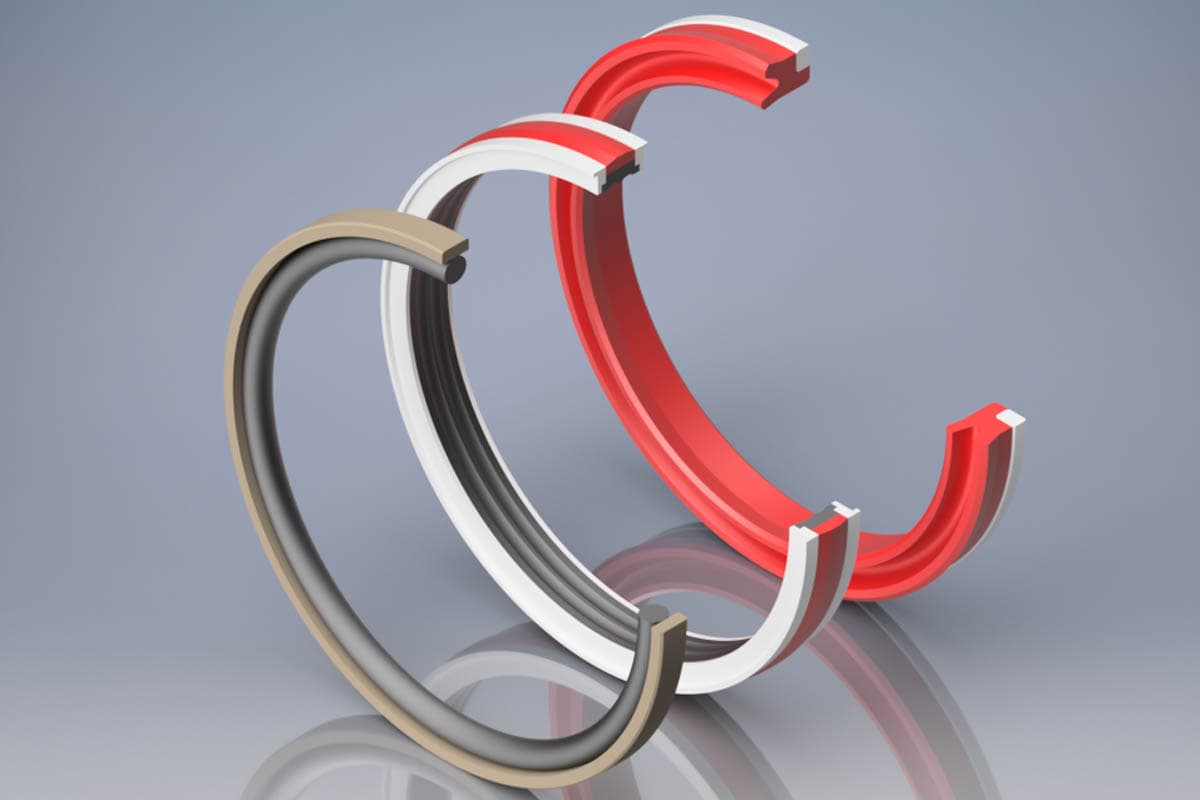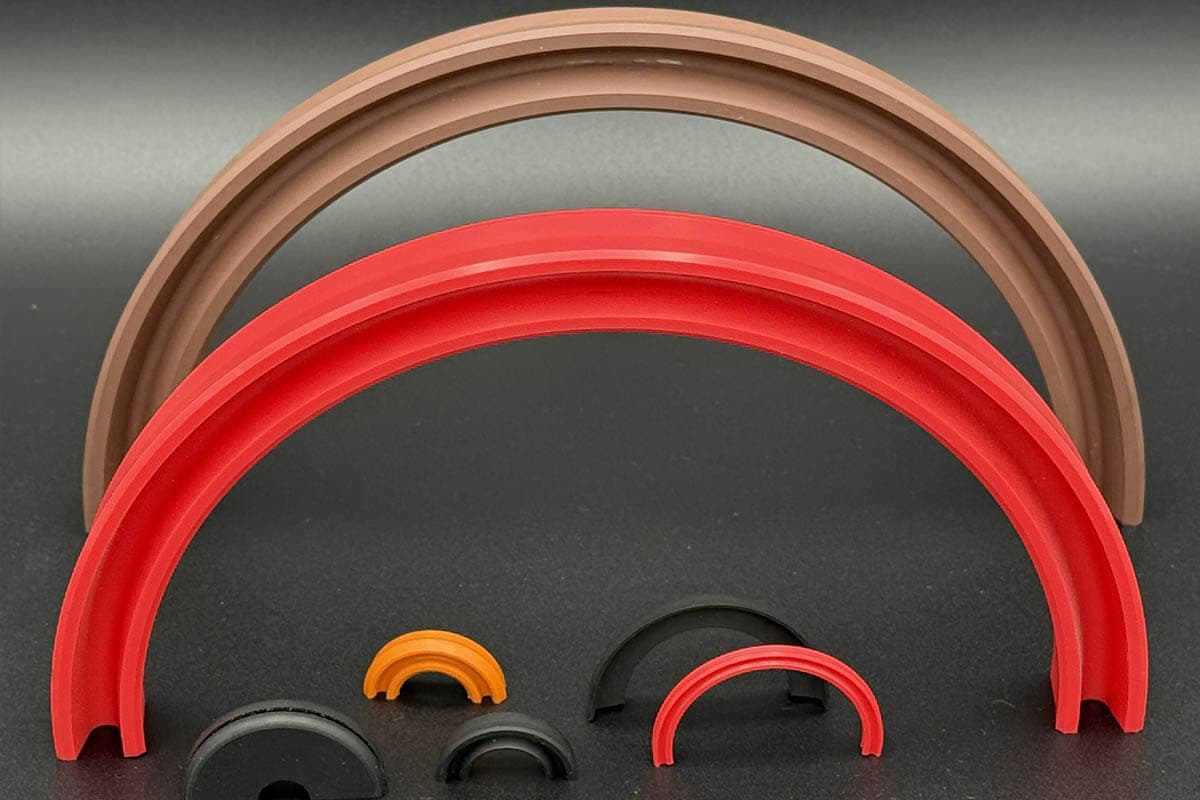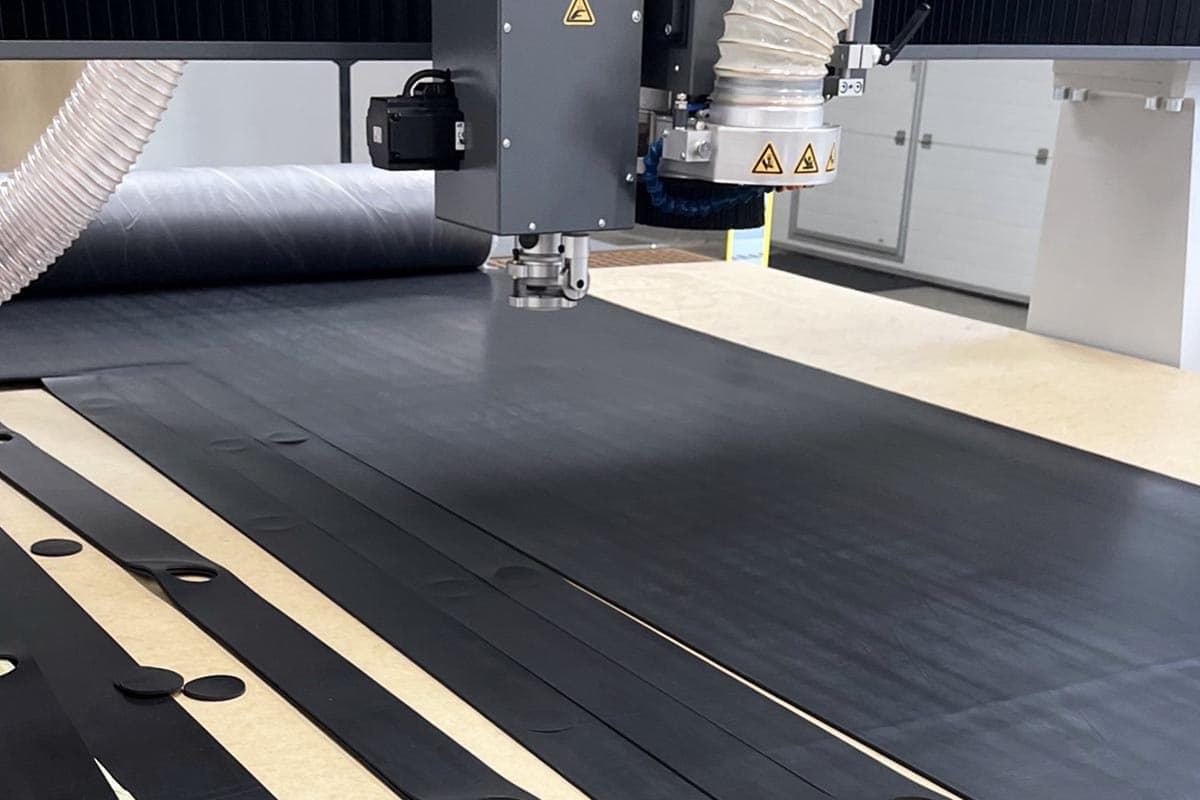


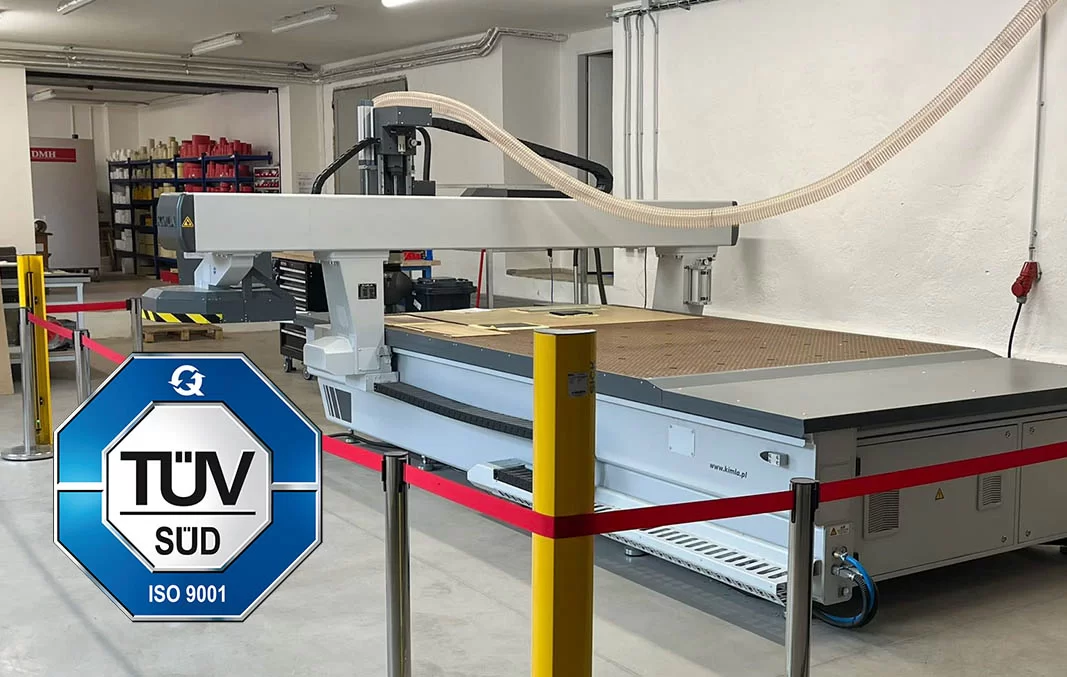
V průmyslu výroby těsnění existuje mnoho různých technologií, které umožňují přesné zpracování pryže a pryžových materiálů. Jednou z nejmodernějších a efektivních metod je použití CNC plotru s oscilačním nožem. Tato technologie přináší řadu výhod, které ji činí ideální volbou pro zpracování různých materiálů, zejména pro malé a střední série těsnění.
Jak CNC plotr s oscilačním nožem funguje?
CNC (Computer Numerical Control) plotr s oscilačním nožem pracuje na principu počítačem řízeného stroje, který řídí pohyby nože podle přesného digitálního návrhu. Oscilační nůž kmitá vysokou frekvencí, což umožňuje řezat i měkké a pružné materiály, jako je pryž, s vysokou přesností.
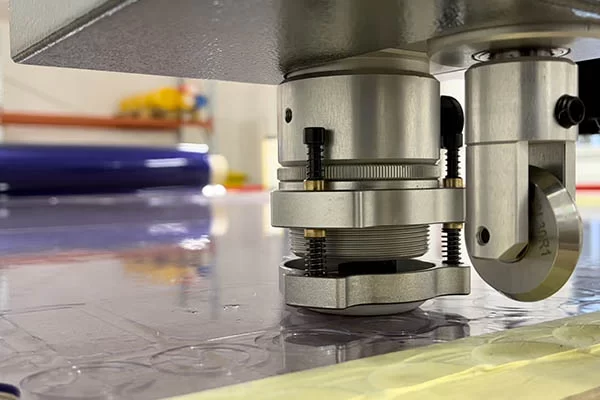
Krok za krokem výroby těsnění pomocí CNC plotru:
- Návrh a příprava dat: Návrh těsnění je vytvořen v CAD softwaru a následně je převeden do formátu, který plotr interpretuje.
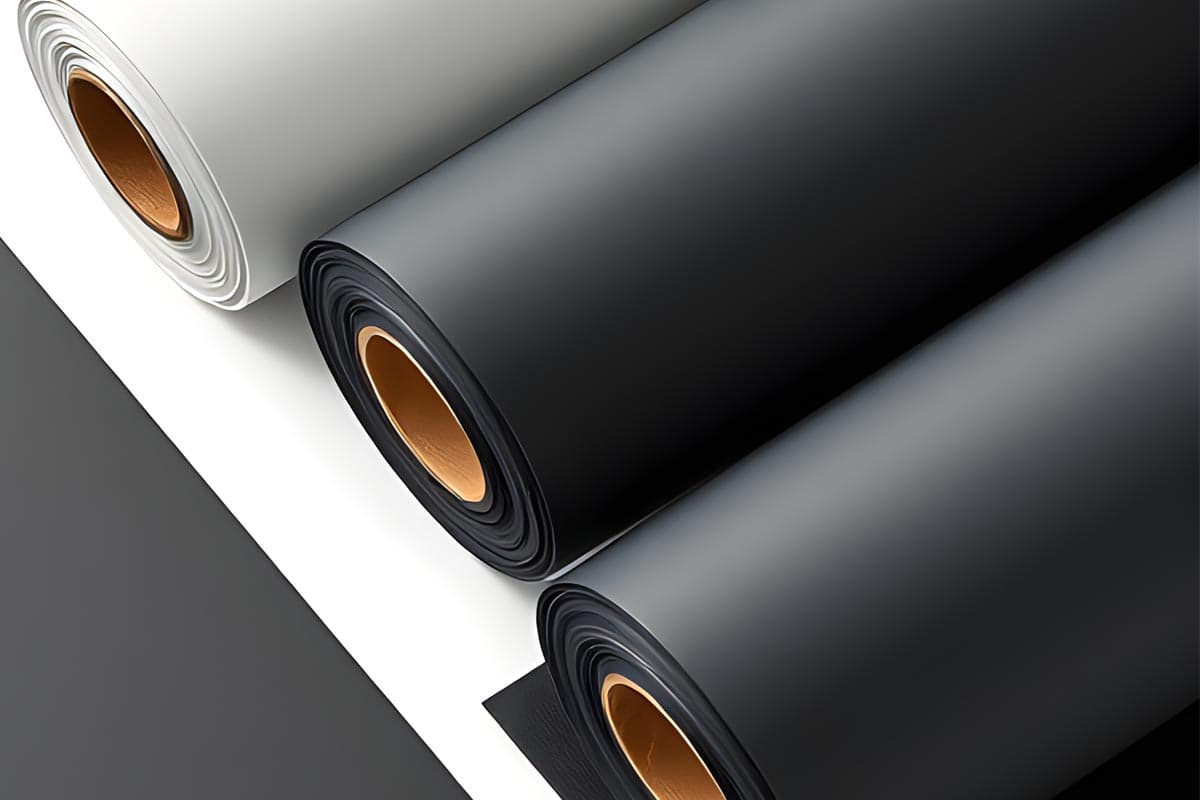
- Volba materiálu: Pryžová deska je umístěna na pracovní plochu CNC stroje. Volba materiálu závisí na požadavcích na odolnost vůči chemikáliím, teplotám nebo mechanickému namáhání.
- Řezání oscilačním nožem: Nůž jemně a přesně prořezává pryž podle zadaného návrhu, což zajišťuje vysokou přesnost a čisté okraje řezu.
- Kontrola a dokončení: Po vyříznutí je těsnění zkontrolováno, aby splňovalo požadované rozměry a kvalitu.
Proč zvolit CNC plotr s oscilačním nožem?
Tato technologie výroby těsnění má několik klíčových výhod oproti tradičním metodám:
- Vysoká flexibilita: Díky možnosti rychlé změny návrhů je CNC plotr ideální pro výrobu malých a středních sérií, prototypů nebo specifických zakázek.
- Bez potřeby forem: Na rozdíl od tradičních metod, kde je nutné vyrábět drahé formy, CNC plotr vyřezává těsnění přímo z digitálního návrhu. Tím se šetří náklady i čas.
- Vysoká přesnost: Přesné řezání minimalizuje odpad a zajišťuje, že těsnění bude dokonale odpovídat požadavkům.
Srovnání s dalšími technologiemi
Řezání laserem
Laserové řezání je velmi přesné a dokáže zpracovávat složité tvary. Nicméně u pryžových materiálů může způsobit problémy s tepelným poškozením okrajů. Laser často vytváří spálené okraje, které mohou ovlivnit kvalitu těsnění, zejména pokud je potřeba vysoká odolnost.
Výroba pomocí výsekových forem
Tato metoda je tradičně využívána pro velké série, kde se vyplatí investovat do výroby kovových forem. Je velmi efektivní pro masovou produkci, ale méně flexibilní. Každá změna designu vyžaduje novou formu, což může výrazně zvýšit náklady a zpomalit proces.
Řezání vodním paprskem
Řezání vodním paprskem je velmi přesné a vhodné pro širokou škálu materiálů, včetně pryže. Tato metoda nezpůsobuje tepelné poškození, což je výhoda oproti laseru. Na druhou stranu je nákladnější na údržbu, protože vyžaduje použití abrazivního materiálu a speciálního vybavení.
Detailní popis plotru, jakožto stroje pro výrobu těsnění, naleznete také například na tomto odkaze.
Závěrem
Použití CNC plotru s oscilačním nožem představuje inovativní přístup k výrobě plochých těsnění z pryží. Nabízí vysokou flexibilitu, přesnost a rychlost bez potřeby investovat do drahých forem nebo speciálního vybavení, jaké vyžaduje například vodní paprsek či laser. Pro malé a střední série nebo prototypy je tato technologie jasnou volbou, která kombinuje nízké náklady s vysokou kvalitou výstupu.
U nás těsnění vyrábíme až do velikosti 2100 x 3100 mm. V nabídce máme široký sortiment pryží a pryžových materiálů, z kterých dokážeme efektivně vyrábět jak kusové, tak sériově vyráběné dílce.