

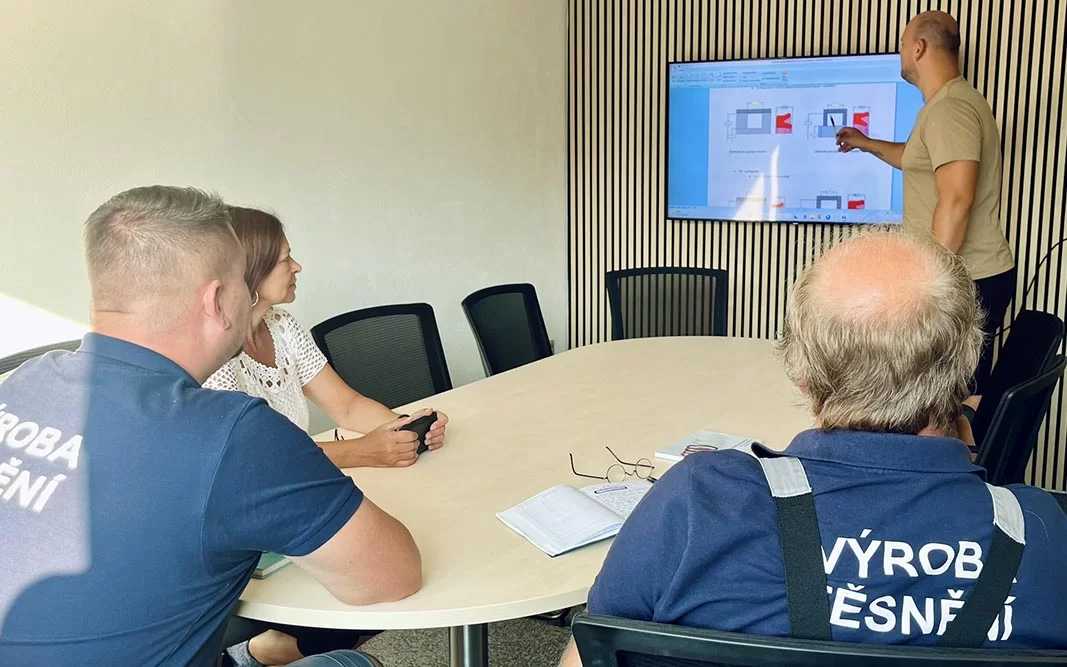
V REONTECH CZ s.r.o. si uvědomujeme důležitost kvalitního školení a neustále pracujeme na tom, aby naši zaměstnanci měli ty nejaktuálnější znalosti a dovednosti, které jim umožní pracovat s hydraulickými systémy bezpečně a efektivně.
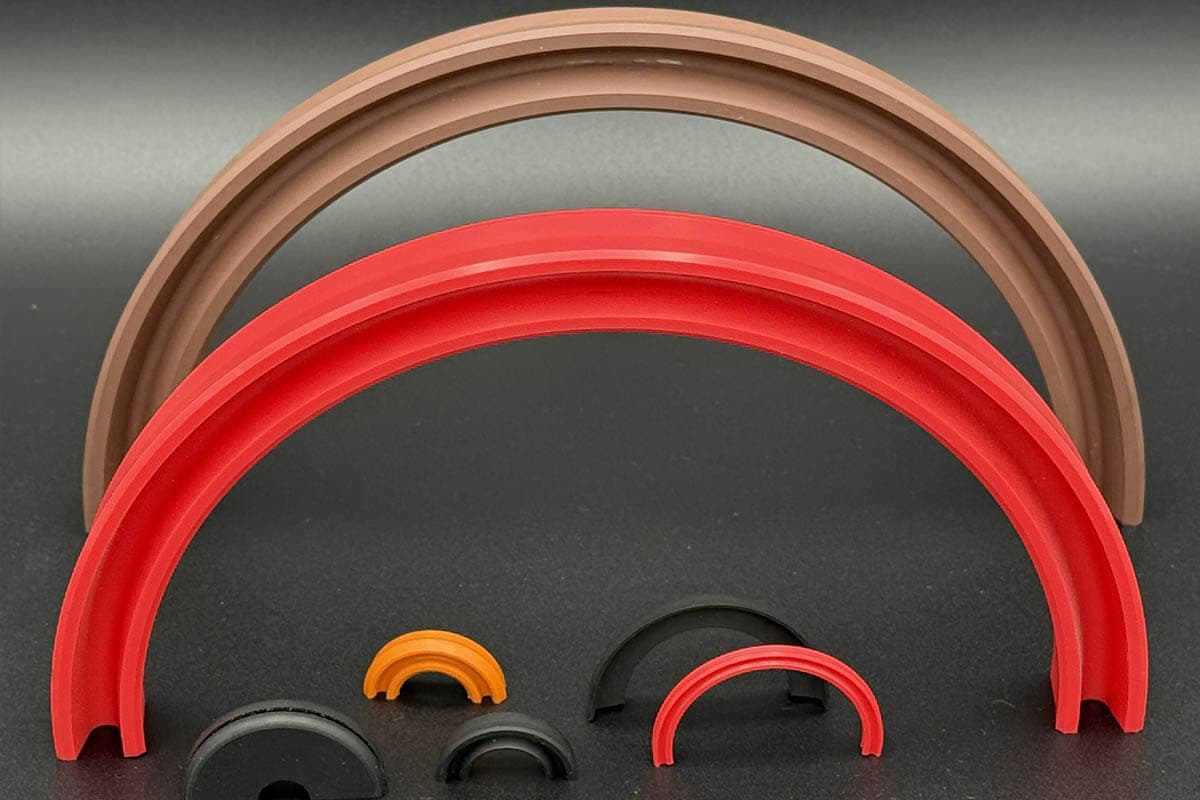
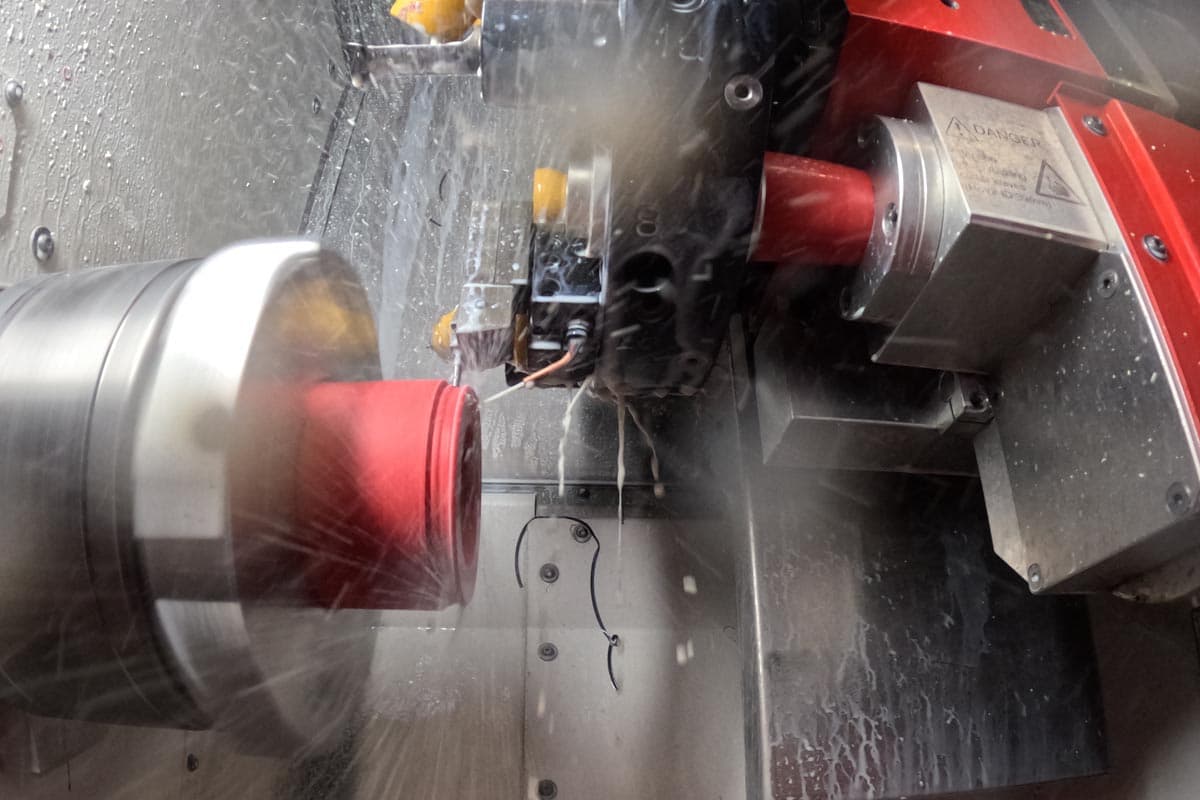
Pravidelně proto provádíme interní školení a snažíme se tak neustále zdokonalovat v oboru hydraulického těsnění a jeho použití, abychom neustále nejen zdokonalovali naši CNC výrobu, ale především naše schopnosti správně a efektivně navrhnout vhodné konstrukční řešení.
Nejvíce zkušeností získáváme z praktického oměřování hydraulických válců, které jsou často řešeny netradičním způsobem a pro správné utěsnění je nutné navrhnout specifické technické řešení.
Cíle školení v oblasti těsnění
V oblasti průmyslových aplikací hraje hydraulické těsnění zásadní roli pro zajištění bezpečnosti a spolehlivosti zařízení. Aby systémy fungovaly efektivně a bez výpadků, je nezbytné mít správně proškolené zaměstnance, kteří rozumějí jak teorii, tak i praxi této technologie. Níže se podíváme na význam školení v oblasti hydraulického těsnění a jeho přínosy pro naši společnost.
1. Základní principy hydraulických těsnění
Hydraulické těsnění zajišťuje, že kapaliny používané v hydraulických systémech zůstávají pod kontrolou, a minimalizuje riziko úniku. Školení zaměstnanců proto začíná s pochopením principů fungování těsnění – od základních komponent po složitější mechanizmy těsnicích systémů.
2. Prevence selhání a úniků
Jedním z hlavních přínosů školení je schopnost předcházet selhání těsnění a nežádoucím únikům. Zaměstnanci musí být schopni rozpoznat včasné varovné příznaky, jako je opotřebení těsnicích prvků nebo nesprávné umístění, což umožňuje včasnou údržbu a minimalizuje drahé odstávky výroby.
3. Efektivní instalace a výměna těsnění
Kvalitní školení zahrnuje i praktické postupy pro správnou instalaci a výměnu těsnění. Zaměstnanci, kteří prošli tímto výcvikem, mohou snížit riziko chyb při montáži, což vede k delší životnosti komponent a k vyšší spolehlivosti zařízení.
4. Úspory nákladů a zvýšení produktivity
Vzdělaní zaměstnanci jsou schopni rychleji diagnostikovat a řešit problémy, což přináší okamžité finanční úspory díky kratším odstávkám a nižším nákladům na opravy. Správné používání a údržba těsnění rovněž prodlužuje životnost hydraulických systémů a zvyšuje jejich celkovou efektivitu.
5. Bezpečnost práce
Hydraulické systémy pracují pod vysokým tlakem, což zvyšuje riziko nehod, pokud nejsou správně udržovány. Školení v oblasti hydraulického těsnění zahrnuje také bezpečnostní opatření, která zaměstnanci musí dodržovat, aby nedošlo k nebezpečným situacím. Dobře informovaní pracovníci tak zajišťují nejen efektivitu, ale také bezpečnost na pracovišti.
Závěr
Školení zaměstnanců v oblasti hydraulického těsnění není pouze o získání teoretických znalostí, ale také o praktických dovednostech, které mají přímý vliv na efektivitu provozu, bezpečnost a dlouhodobou spolehlivost zařízení. Investice do vzdělání pracovníků v této oblasti se rychle vrací formou vyšší produktivity a nižších provozních nákladů.