

Milling of aluminium and non-ferrous metals
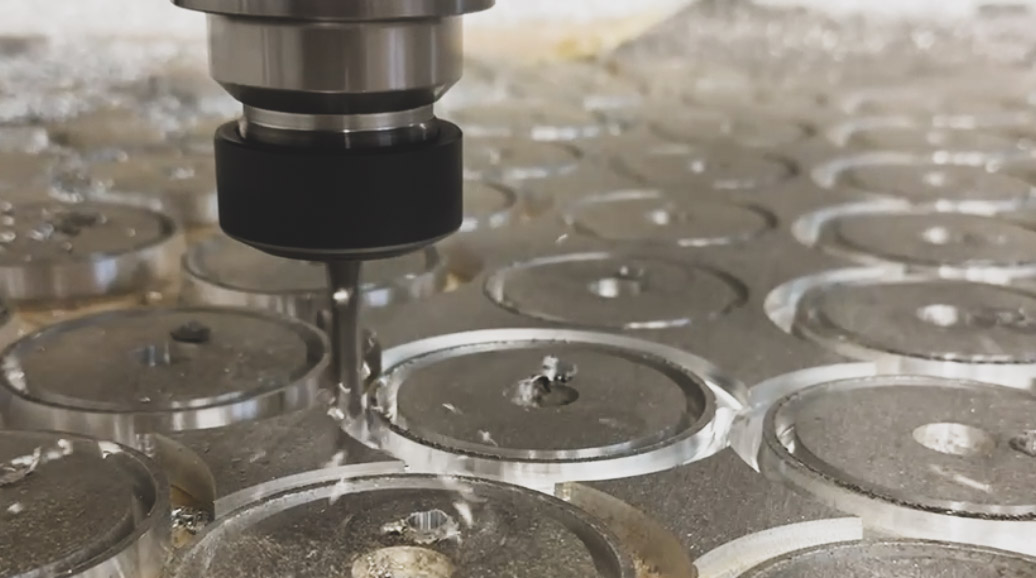
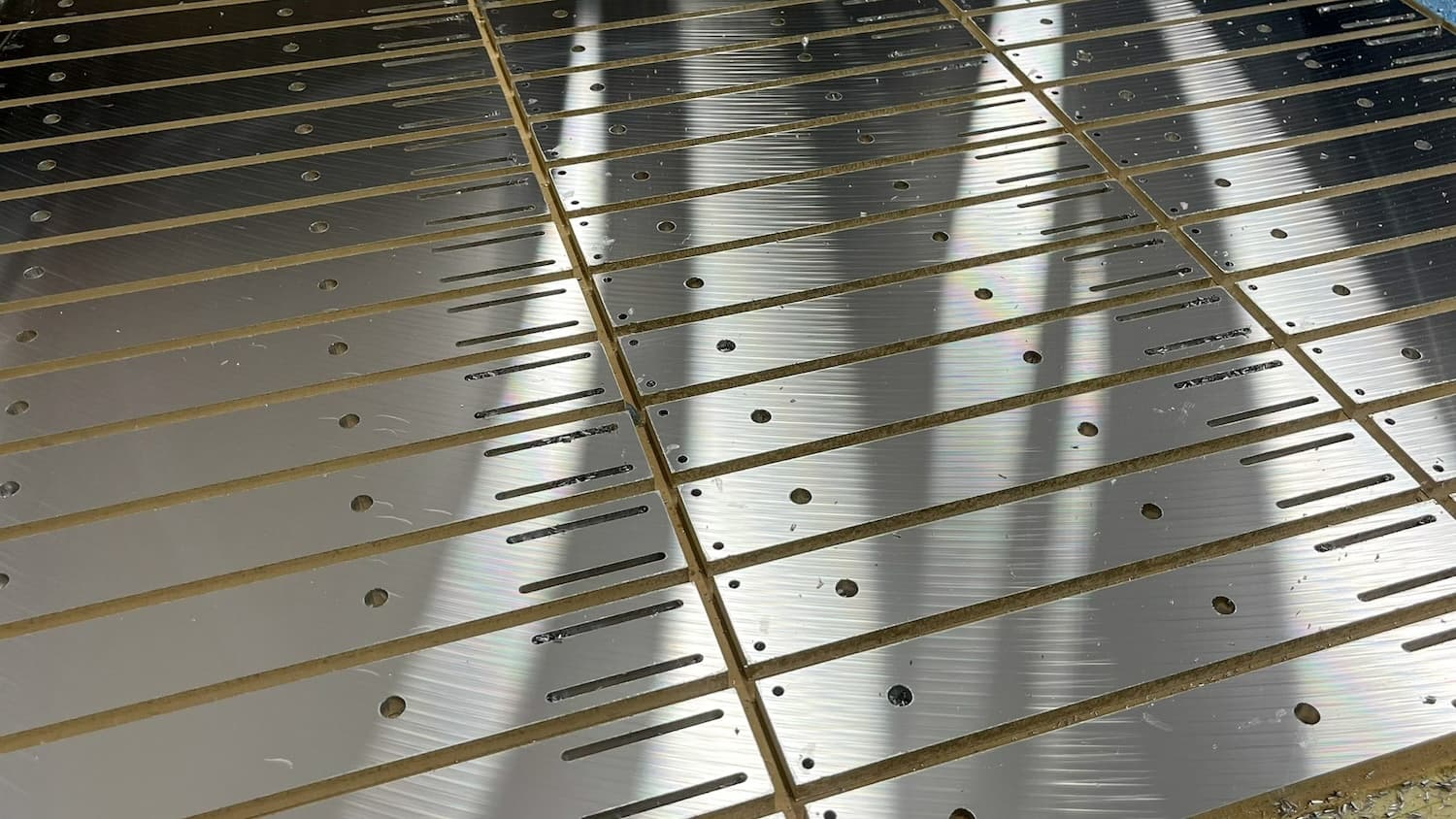
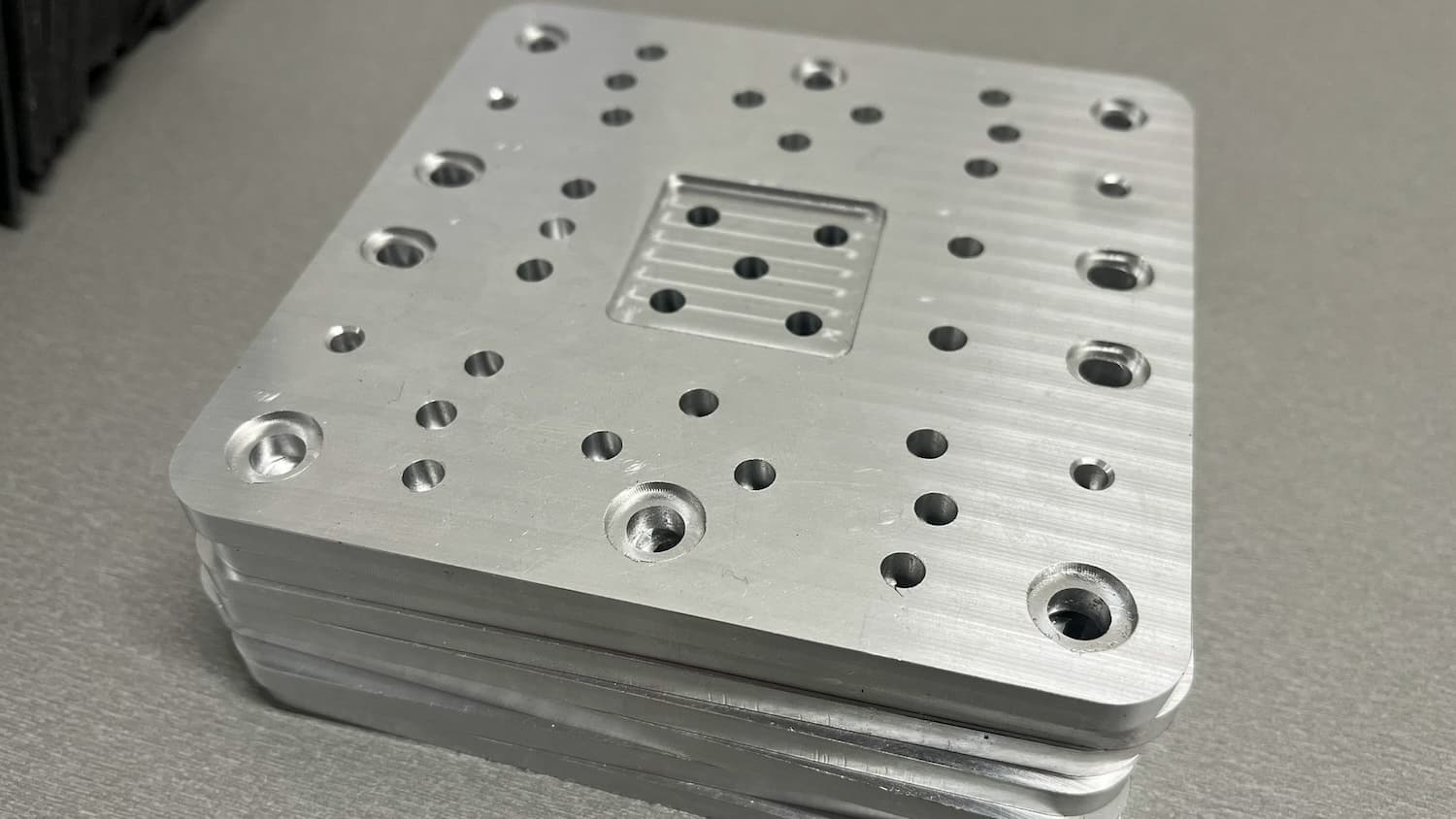
We can mill aluminium, but also copper, bronze, brass and other non-ferrous metals up to a maximum size of 3100 x 2100 mm. Thanks to our two modern CNC milling machines, we can produce the part accurately, efficiently and handle large batches. We use an optical measuring machine to check the parts.



What we can solve:
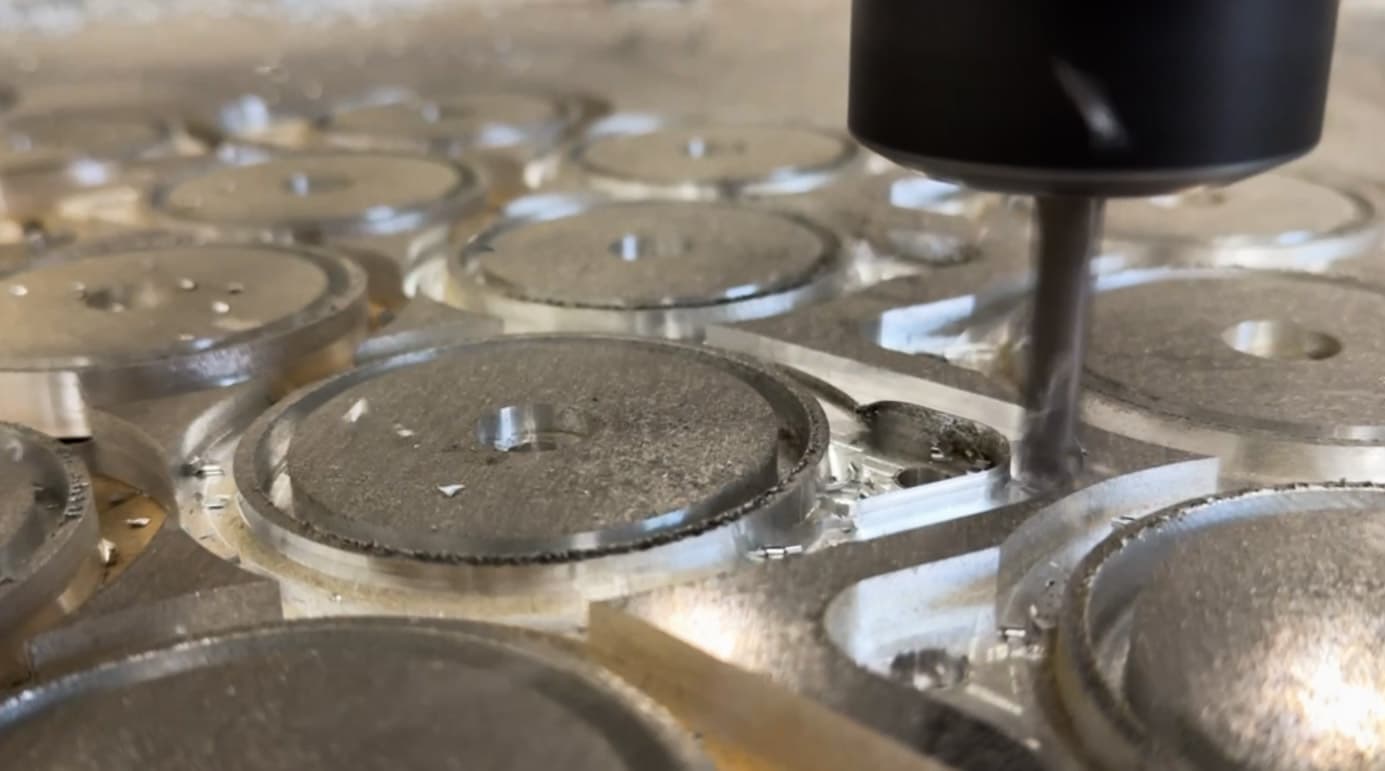
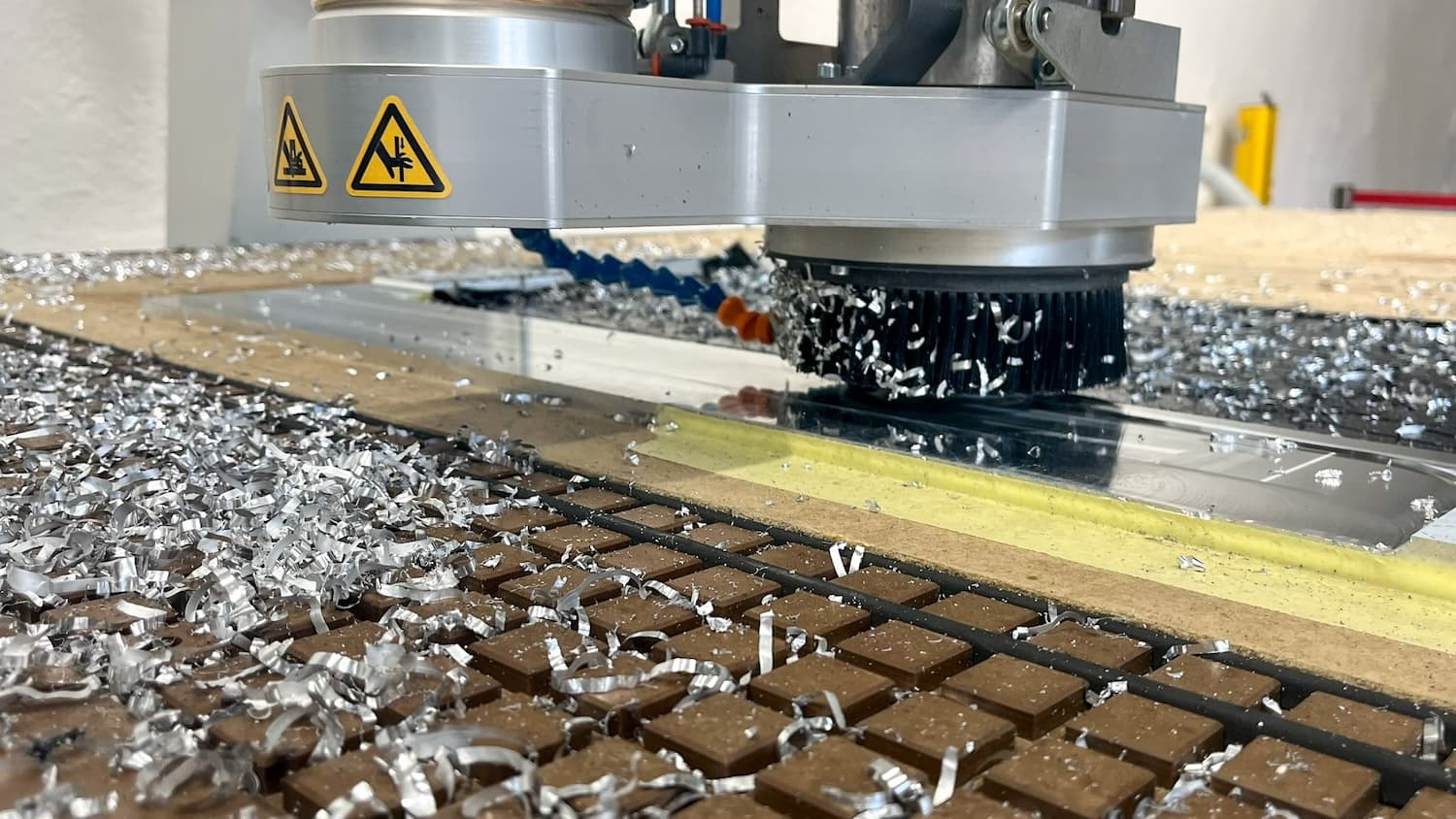
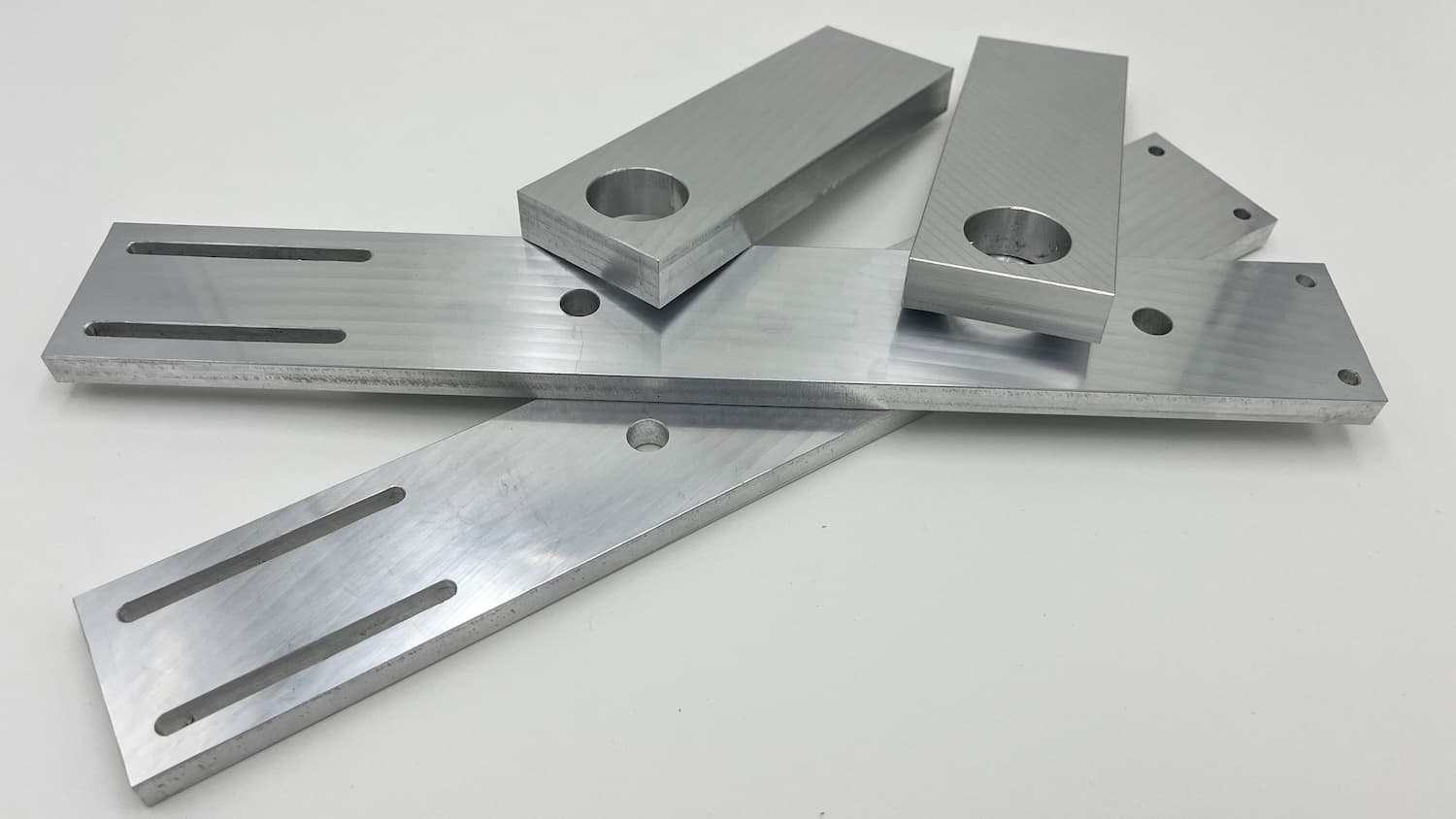
Our CNC milling machines produce parts made of aluminium and other non-ferrous metals. We use aluminium in almost all its variants and alloys. Thanks to the size of the working area of our machines 3100 x 2100 mm we can produce even really large parts and achieve excellent precision and quality of workmanship. Thanks to its properties (combination of low weight, strength and corrosion resistance), parts made of aluminium and other non-ferrous metals are used across almost all industries for the production of structural parts, jigs, fixtures, brackets, housings, coolers, mounting plates, moulds or precision mechanical components.
How do we mill aluminium?
How does CNC milling of aluminium work?
Inquire CNC milling of aluminum
In all areas of our operations, we place great emphasis on maximum quality of products and services, responsible approach to the environment, and work safety. We believe that these values are the foundation for long-term development and for building stable relationships with our customers. The confirmation of the quality of our work is the fact that we hold the ČSN EN ISO 9001:2016, ISO 14001:2016, and ISO 45001:2018 certifications.
Frequently Asked Questions
Which materials are suitable for CNC milling?
The most commonly machined non-ferrous metals are aluminium, brass, copper, bronze or duralloy. These materials are used for the manufacture of precision engineering parts due to their good machinability, conductivity and corrosion resistance.
What are the main advantages of aluminium milling?
Aluminium is light, strong and very easy to machine. CNC milling of aluminium enables the rapid production of precision parts with high surface quality, low weight and high dimensional stability. A good strength-to-weight ratio is also an advantage.
Where are milled aluminium parts most commonly used?
Milled aluminium parts are used in mechanical engineering, automotive, electrical engineering, aerospace, automation or in the production of structural and assembly components. Typical products are brackets, covers, fixtures, heat sinks or precision mechanical components. Due to their versatile properties, they find applications across almost all industries.
What is the difference between milling aluminium, brass and copper?
Each material has different mechanical properties and requires specific cutting conditions. Aluminium offers high machining speed and low weight, brass is characterised by very good machinability and copper has high thermal and electrical conductivity but is more demanding to achieve a good surface finish.
What precision can be achieved in CNC milling of non-ferrous metals?
Modern CNC technology enables the production of parts with very high precision and repeatability. The resulting tolerances depend on the type of material, the geometry of the product and the requirements of the specific application. In general, CNC milling can achieve tolerances of +/- 0.05 mm.
Can milled non-ferrous parts be further surface treated?
Yes, milled parts can be anodised, polished, sandblasted, brushed or electroplated. Surface treatments increase corrosion resistance, improve the appearance of the part and can modify its mechanical or electrical properties.