

Optical measurement of parts
We have a state-of-the-art optical measuring device, thanks to which we can accurately measure and inspect a part up to a part size of 660 x 700 mm, including a dimensional report that guarantees the accuracy of the measurement.




What we can solve:
Our Micro-Vu Excel 701 optical measuring instrument has a measuring range of 660 x 700 mm and a maximum Z-axis range of 160 mm. We use it primarily for the inspection of our products, but we also offer measurement services to our customers. The measuring instrument has a very high measuring accuracy, specifically 2.8 + L/200 µm. The accuracy depends on the size of the part, so for example for a measurement dimension of 100 mm the tolerance of the measurement accuracy is +/- 3.3 µm, i.e. +/-0.0033 mm. The resolution of the optical measuring sensor is 0.05 µm and the machine can accommodate a part with a maximum weight of up to 100 kg. Thanks to these top parameters, we can measure parts very precisely and also present the measurement results in the form of a dimensional report. The measurements take place in a separate, purpose-built, air-conditioned room with stable temperature and humidity and the machine is regularly calibrated by expert technicians. This enables us to achieve the highest possible measurement accuracy.
What materials do we work with?
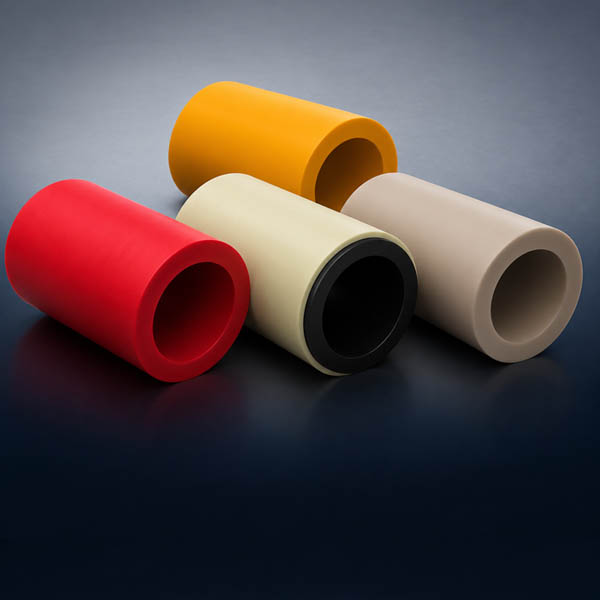
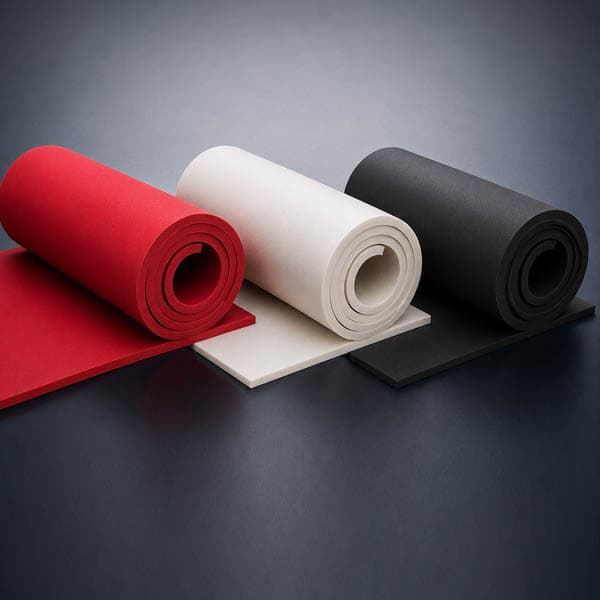
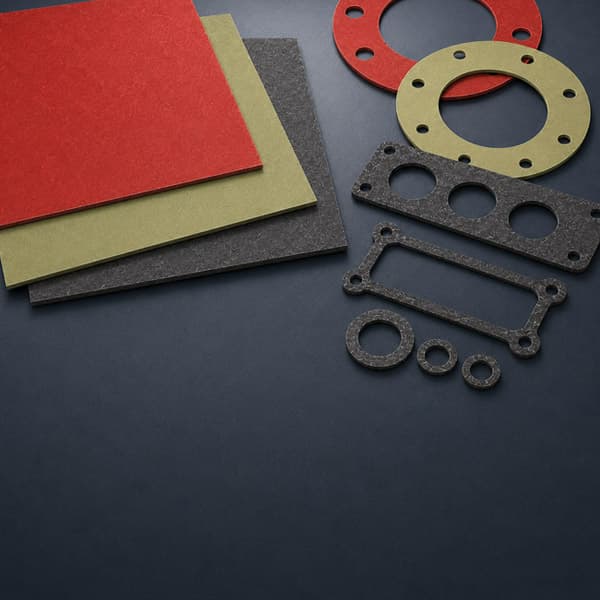
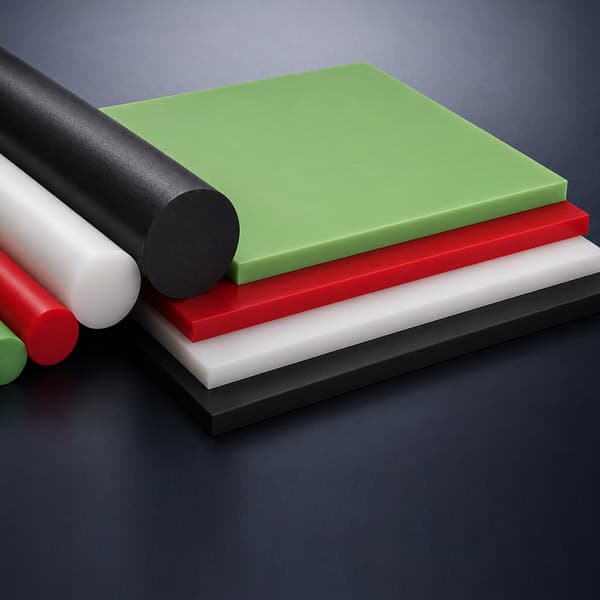
Virtually all solid and permanent materials can be measured optically. Some materials may have inaccuracies due to surface imperfections. Typical examples include fabrics that have uneven edge surfaces with burrs. Optical measurement is suitable for metals, engineering plastics, thermal insulation materials and many other materials, not only industrial. We use our optical measuring instrument primarily for the inspection of our parts, i.e. we mainly measure seals for hydraulics and pneumatics, flat seals and milled parts made of engineering plastics and other industrial materials.
How is the optical measurement of parts produced?
Inquire about optical measurement of parts
In all areas of our operations, we place great emphasis on maximum quality of products and services, responsible approach to the environment, and work safety. We believe that these values are the foundation for long-term development and for building stable relationships with our customers. The confirmation of the quality of our work is the fact that we hold the ČSN EN ISO 9001:2016, ISO 14001:2016, and ISO 45001:2018 certifications.
Frequently Asked Questions
What is optical part measurement?
Optical part measurement is a non-contact method of checking dimensions and shapes using a camera system. The Micro-Vu Excel 701 uses high-precision optics and software to quickly and accurately evaluate product geometry without the need for mechanical touch.
What is the accuracy of the optical measurement?
The measurement accuracy of the Micro-Vu Excel 701 is 2.8 + L/200 µm, which typically means an accuracy in the range of 3-6 µm depending on the size of the part to be measured. This allows the inspection of even very precise technical parts and components.
What are the advantages of optical measurement over touch?
The main advantages of optical measurement with Micro-Vu Excel 701:
- non-contact measurement (no deformation of the part)
- high inspection speed
- also suitable for soft materials (e.g. plastics, rubber)
- possibility of automation and repeatability of measurements
- ideal for small and complex shapes
What is the largest possible size of the measured part?
Our optical measuring instrument has a measuring range of 660 x 700 mm and a Z-axis range (part height) of 160 mm. The maximum weight of the part to be measured is 100 kg.
How is the optical measurement of the part performed?
The part is placed and positioned on the measuring table of the Micro-Vu Excel 701, where the camera then captures its image. The software then automatically evaluates dimensions, angles, positions or tolerances according to the drawing documentation. Measurement can be manual or fully automated, which is particularly suitable for large series.
When is optical measurement the best choice?
Optical measurement on the Micro-Vu Excel 701 is ideal when:
- risk of deformation during touch measurement
- high inspection speed is required
- small or complex geometries are measured
- repeatable inspection in production is required
- visual inspection of edges and profiles is crucial