

Milling of electrical insulants and other materials
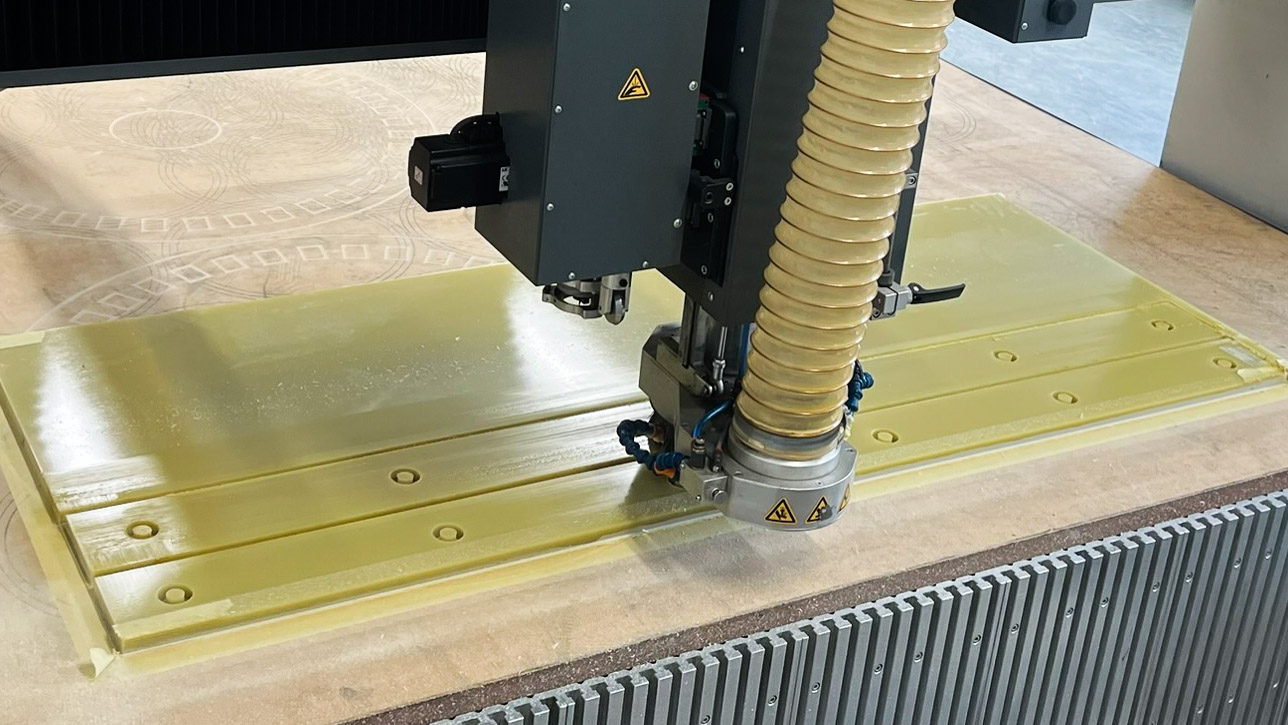
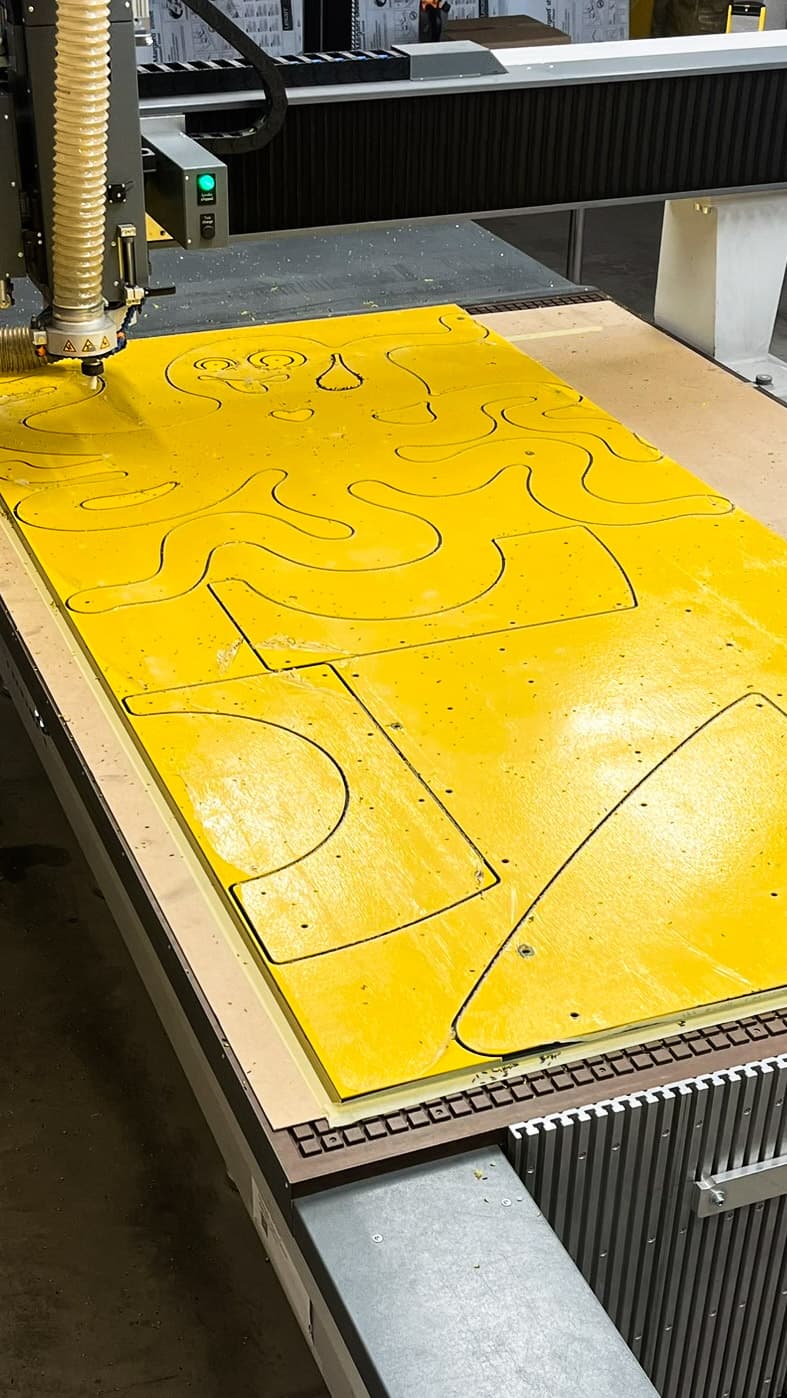
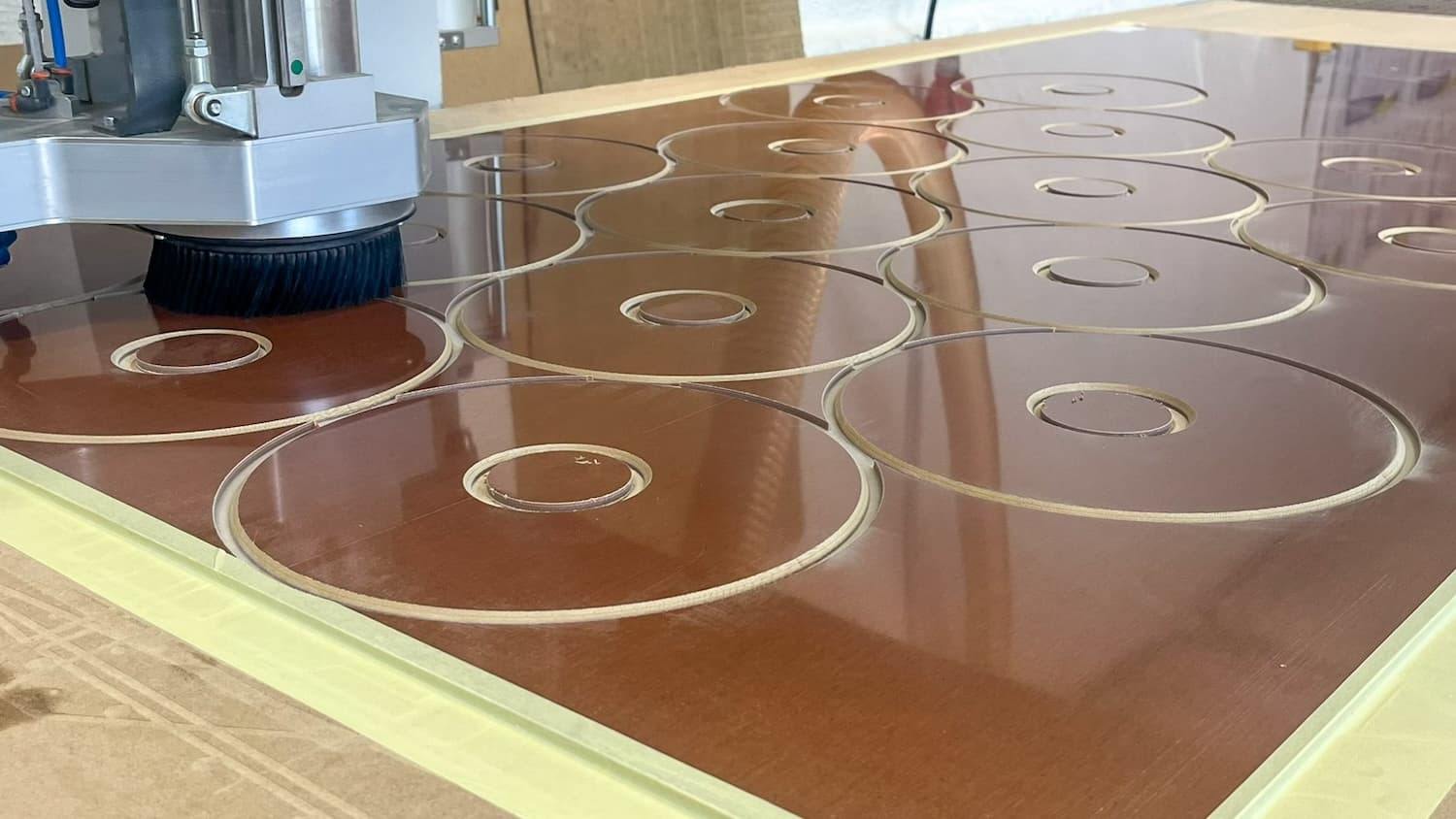
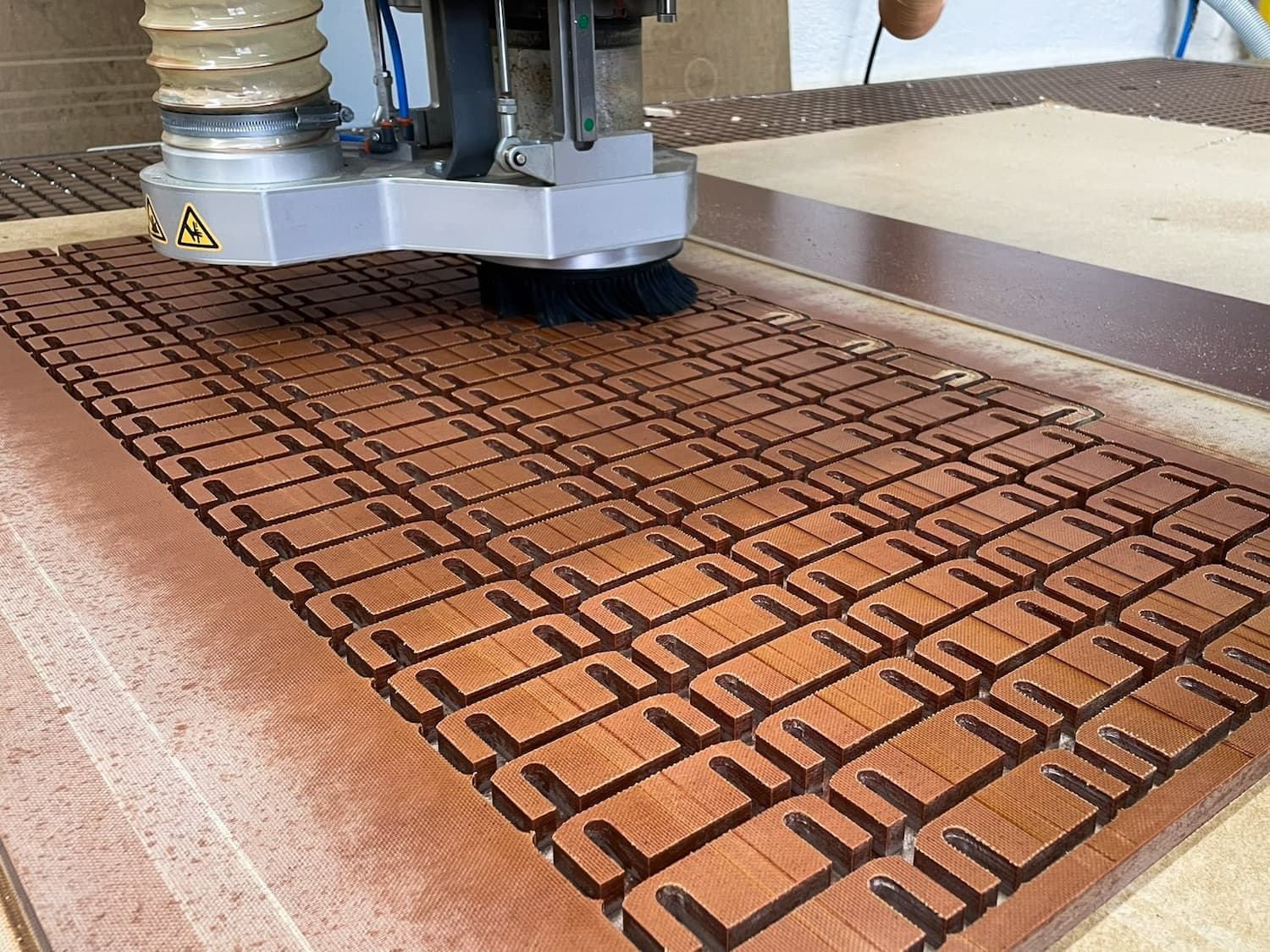
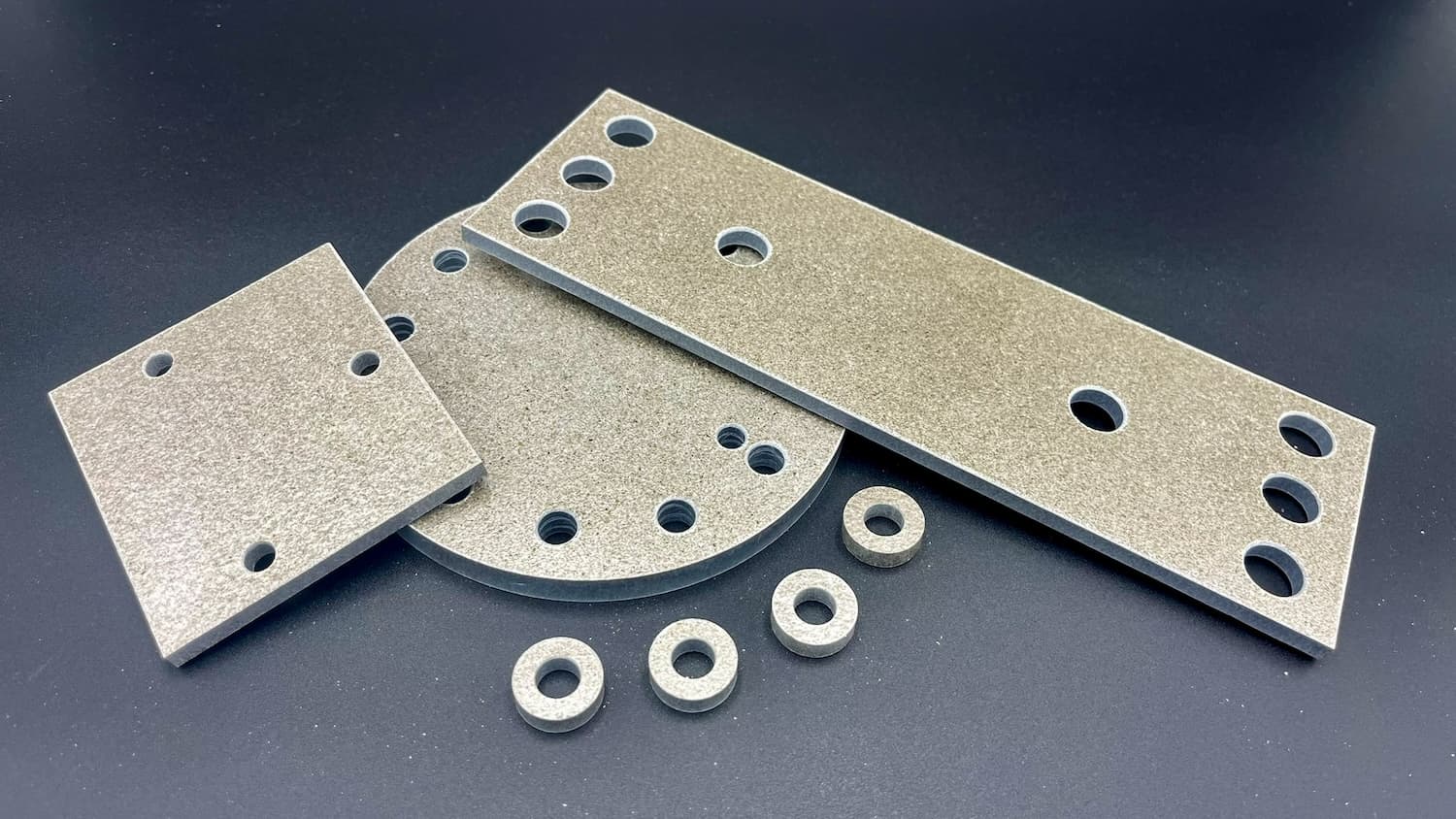
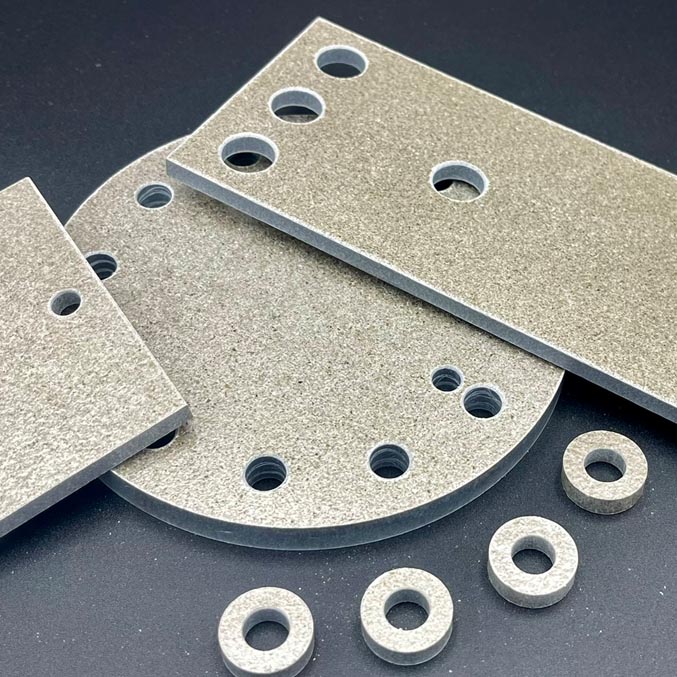
Thanks to the high versatility of our CNC machines, we can also mill many special materials. Most often these are electrical insulants, mica materials, but also for example materials for playground construction and we can also mill rubber. The working area of our two CNC milling machines is 3100 x 2100 mm and we can produce really large parts.



What we can solve:
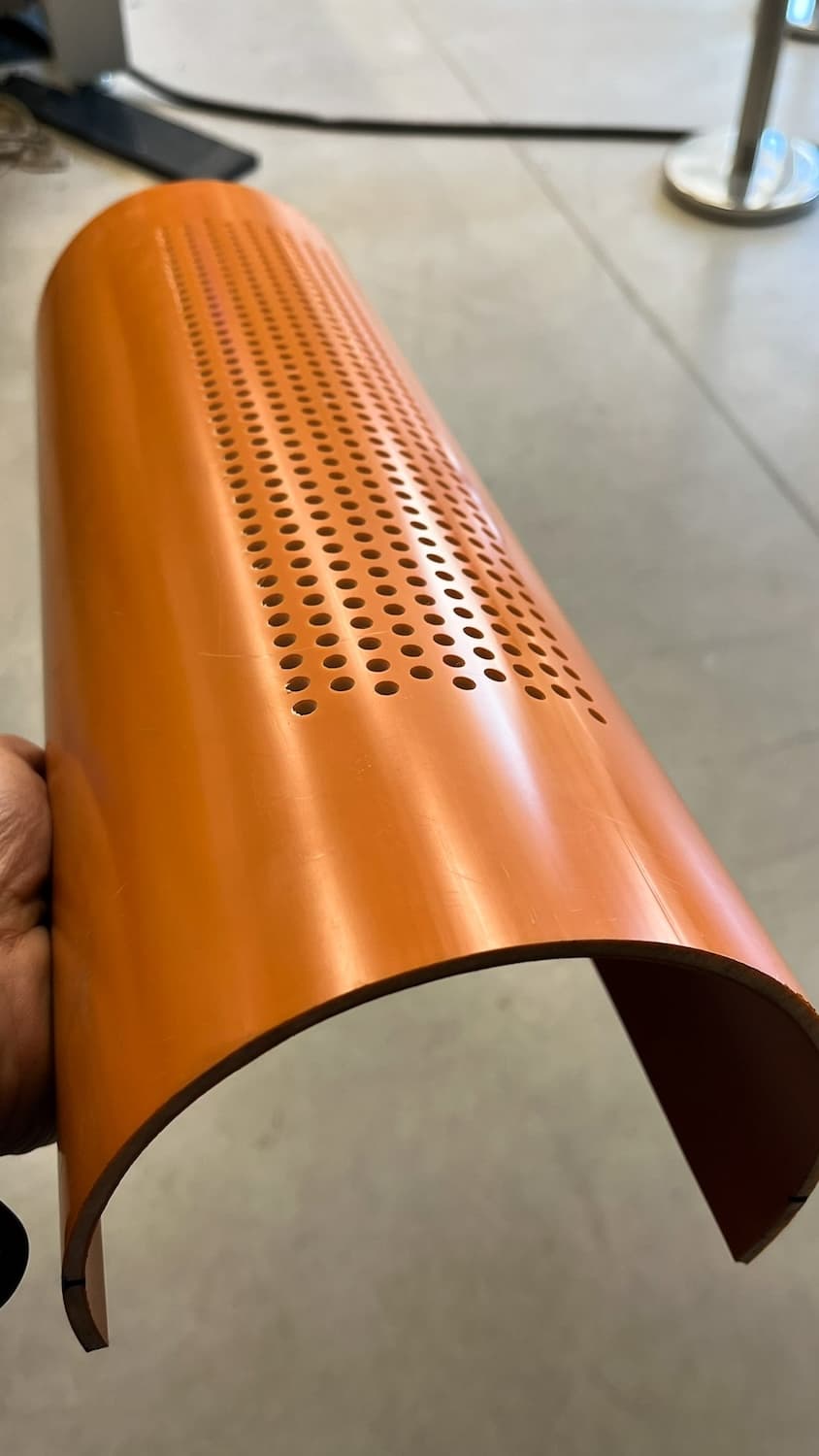
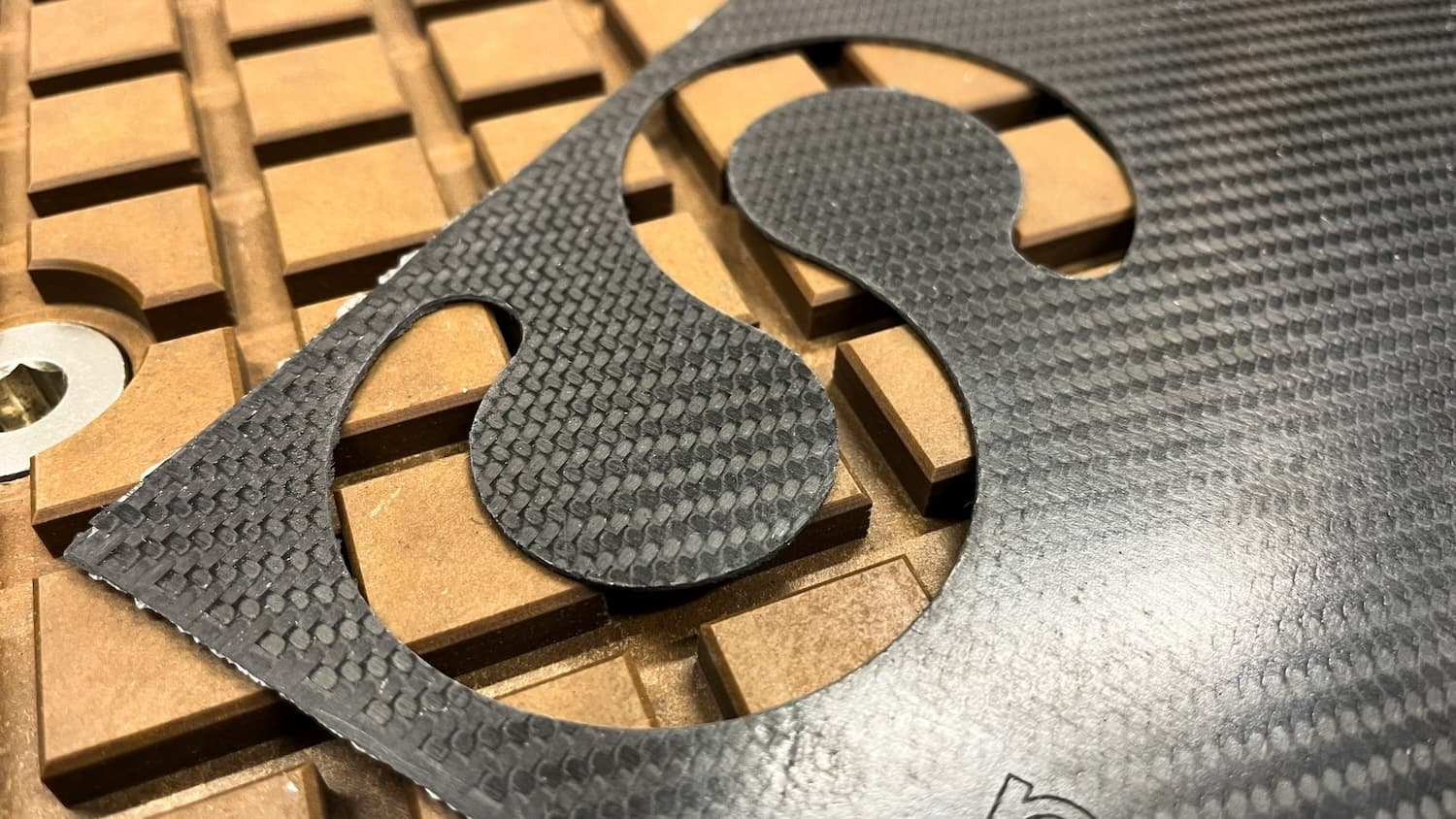
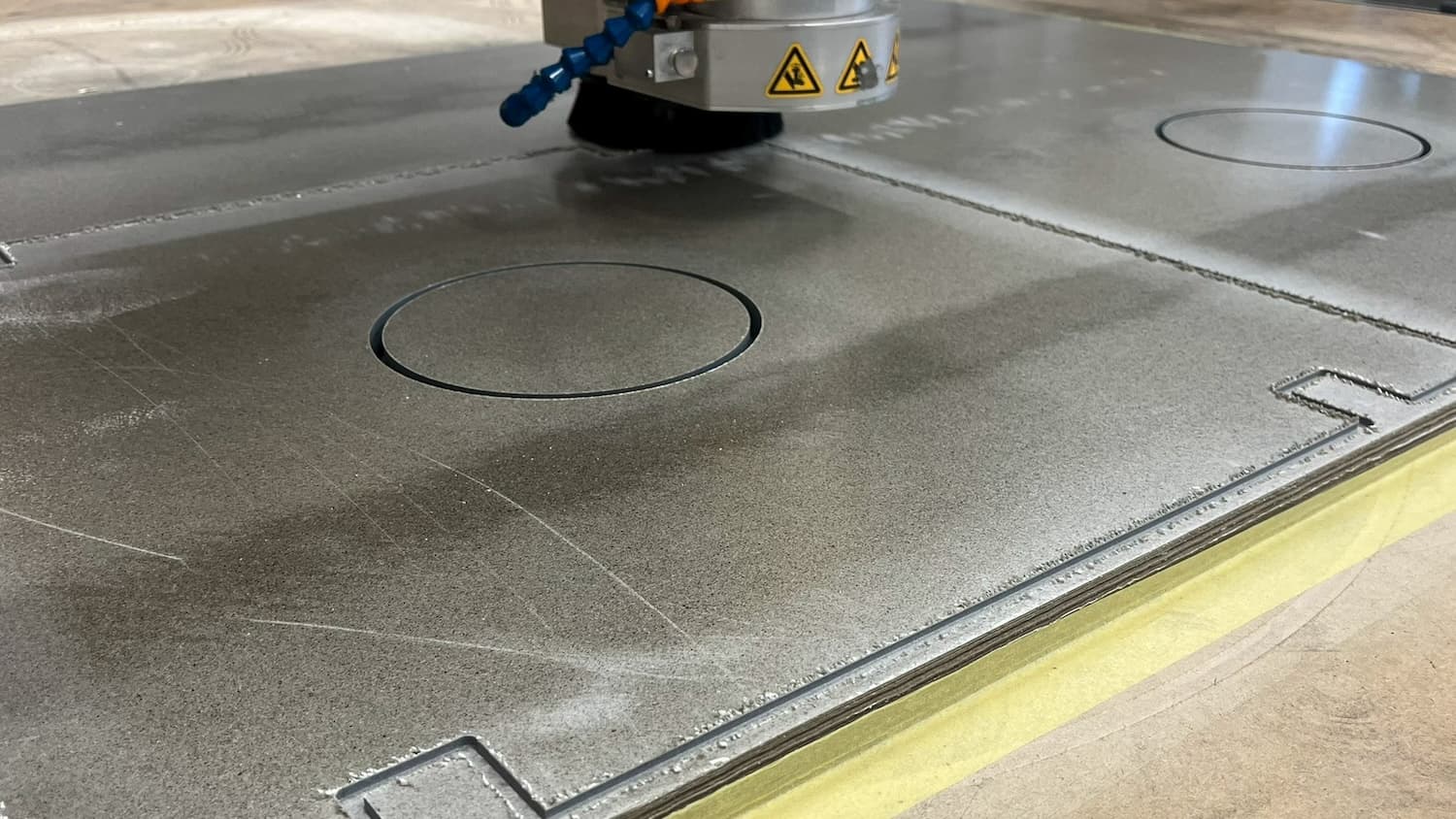
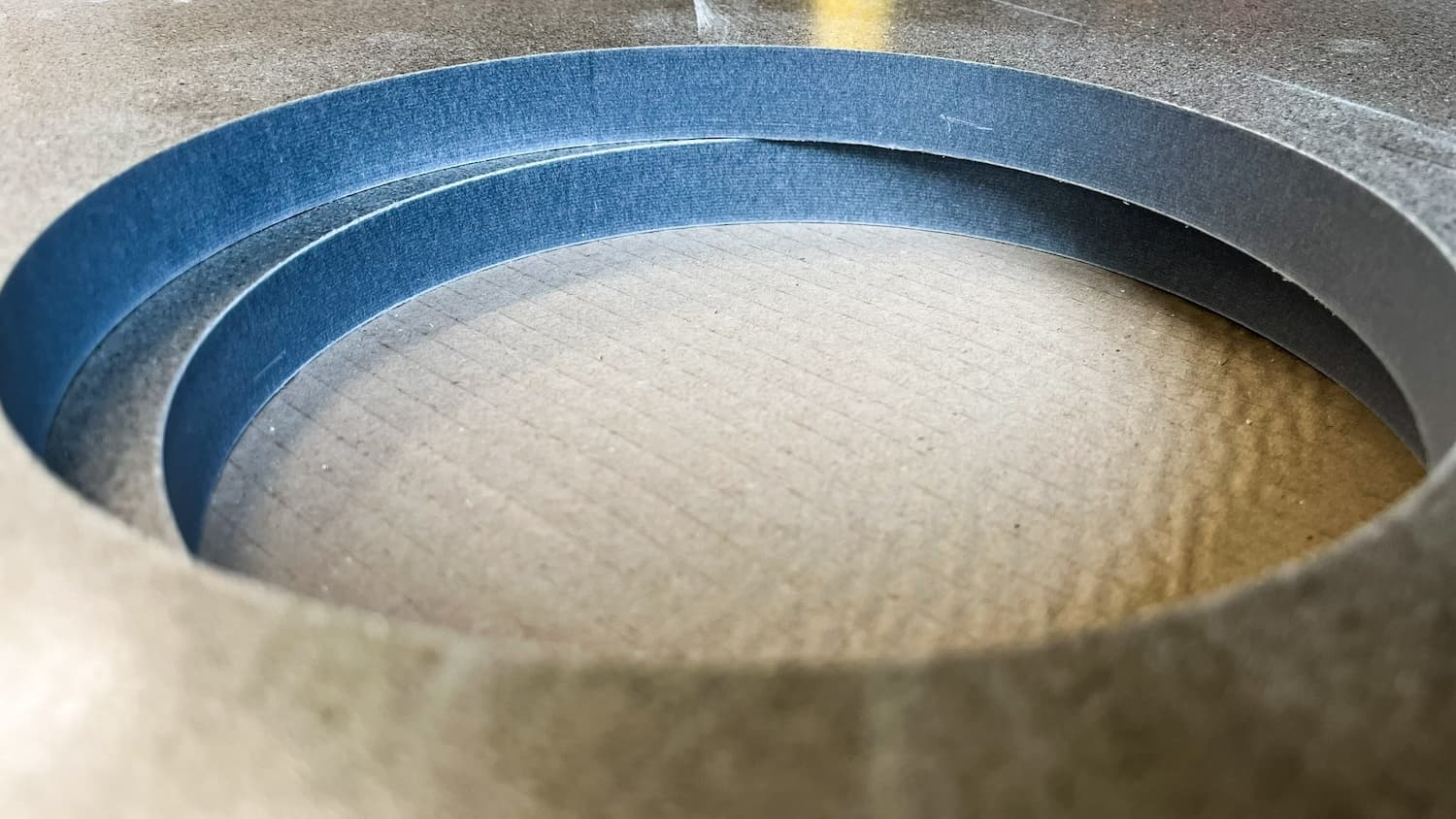
Our modern CNC milling machines can handle a wide range of materials. In principle, we can mill (or cut) all materials from soft ones (foams, microporous materials), through industrial engineering plastics, wood to non-ferrous metals. We can handle a wide range of special materials. These include electrical insulants, mica materials, sandwich boards, composites and many other materials. Thanks to our production capacity, we can produce prototypes and small batches, but we can also cope with large series production. With laser engraving technology we can also engrave any graphic motif or make part markings as required. If necessary, we can also use our optical measuring instrument for product inspection, which guarantees the quality with a measuring protocol.
Materials

How is CNC milling of electrical insulants and other materials performed?
Inquire CNC milling of electrical insulators
In all areas of our operations, we place great emphasis on maximum quality of products and services, responsible approach to the environment, and work safety. We believe that these values are the foundation for long-term development and for building stable relationships with our customers. The confirmation of the quality of our work is the fact that we hold the ČSN EN ISO 9001:2016, ISO 14001:2016, and ISO 45001:2018 certifications.
Frequently Asked Questions
What electrical insulating materials can be CNC milled?
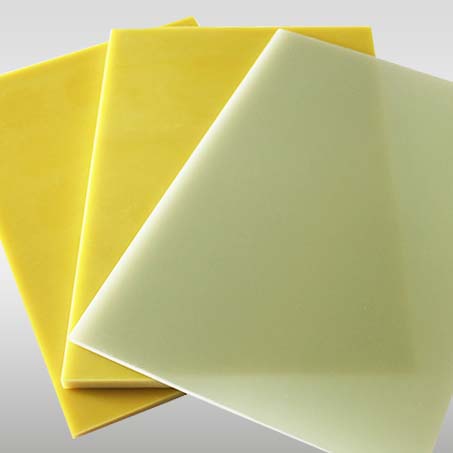
CNC milling is suitable for a wide range of electrical insulation materials such as pertinax, texite, glass-textile, G10/G11, hardened composites, engineering plastics or epoxy and fibreglass insulation boards.
Where are milled electrical insulation parts most commonly used?
These parts are mainly used in electrical engineering, power engineering, mechanical engineering and automation. Typical applications are insulating pads, carrier plates, spacers, covers, switchgear components or parts of electrical equipment.
What are the main advantages of CNC milling of electrical insulators?
CNC technology enables the production of very precise parts with high repeatability. The advantage is the possibility of machining complex shapes, holes, grooves and thin-walled components while maintaining good electrical insulation properties of the material.
What non-typical materials can be milled besides electrical insulants?
For example, composite materials, carbon, sandwich boards, technical ceramics, rubber materials, foam boards or special industrial laminates can also be CNC milled.
What is the technological complexity of milling electrical insulants?
Some materials contain abrasive components, such as glass fibres or carbon fibres, which increase tool wear. Therefore, the correct choice of cutters, cutting cooling parameters and effective dust extraction during machining are important.
What special requirements do electrical insulating materials have in machining?
When milling electrical insulants, it is important to minimize the formation of burrs, delamination or overheating of the material. Properly set cutting conditions help to maintain the mechanical and electrical properties of the final part.