

Milling of polycarbonate
We can produce milled parts from polycarbonates up to a maximum size of 3100 x 2100 mm. Thanks to our two modern CNC milling machines, we can produce the part accurately, efficiently and even handle large batches. We use an optical measuring device to check the parts.
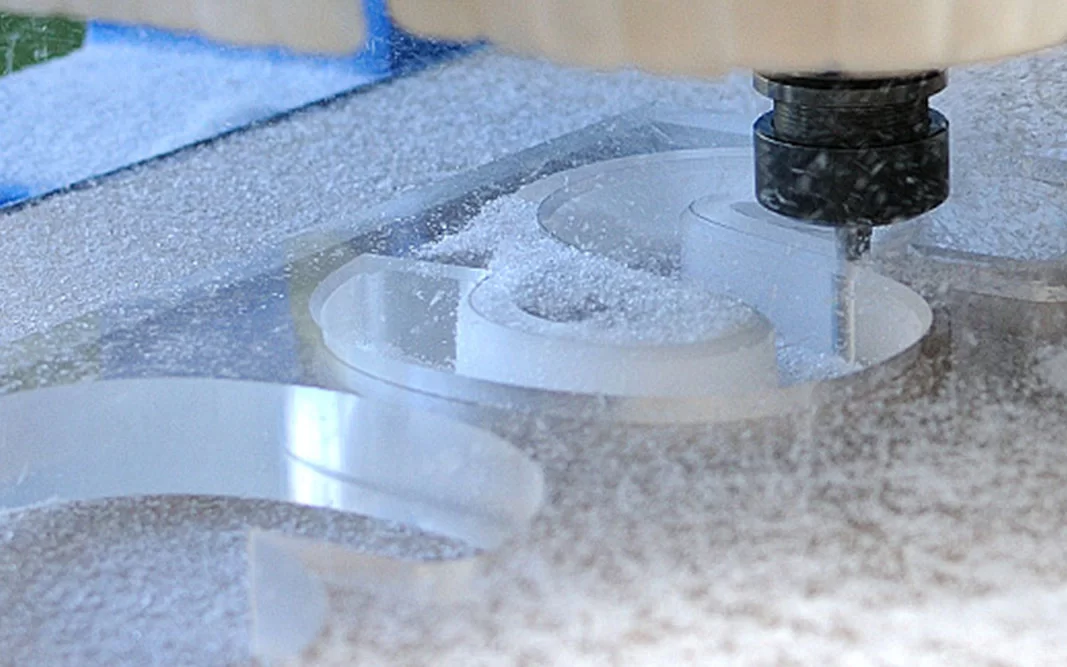



What we can solve:
The milled part is made of all types of polycarbonates and transparent plastics. The most commonly used is transparent polycarbonate, but we also produce from hardened polycarbonate (so-called Margard), from coloured variants and we also process polycarbonate chamber. We also mill Plexiglas, acrylic and other transparent materials. With a working area of 3100 x 2100 mm we can produce really large parts. Polycarbonate parts are used throughout the industry, whether it be for various windows, sight glasses, safety glass, protective barriers, roofing and many other applications where polycarbonate is successfully replacing conventional glass. With the right tool and milling conditions, polycarbonates can also be polished to achieve a transparent edge, which is particularly suitable for vision parts.
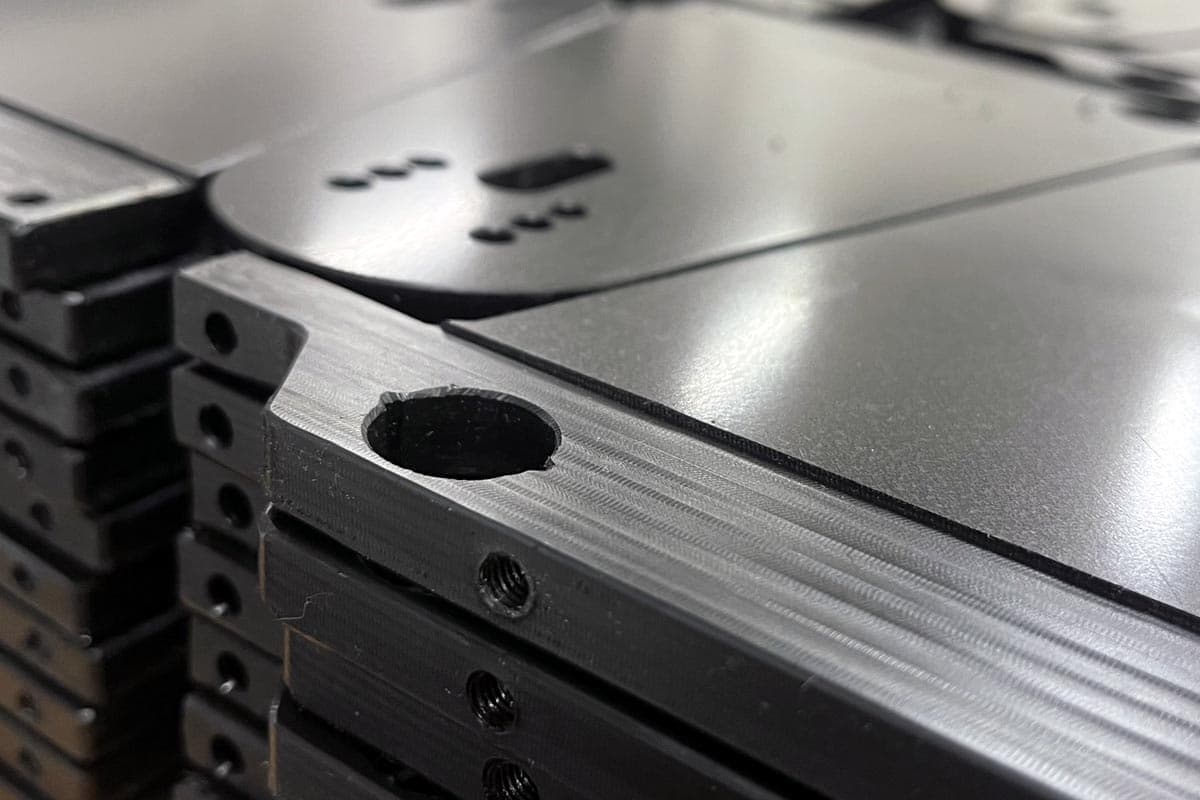
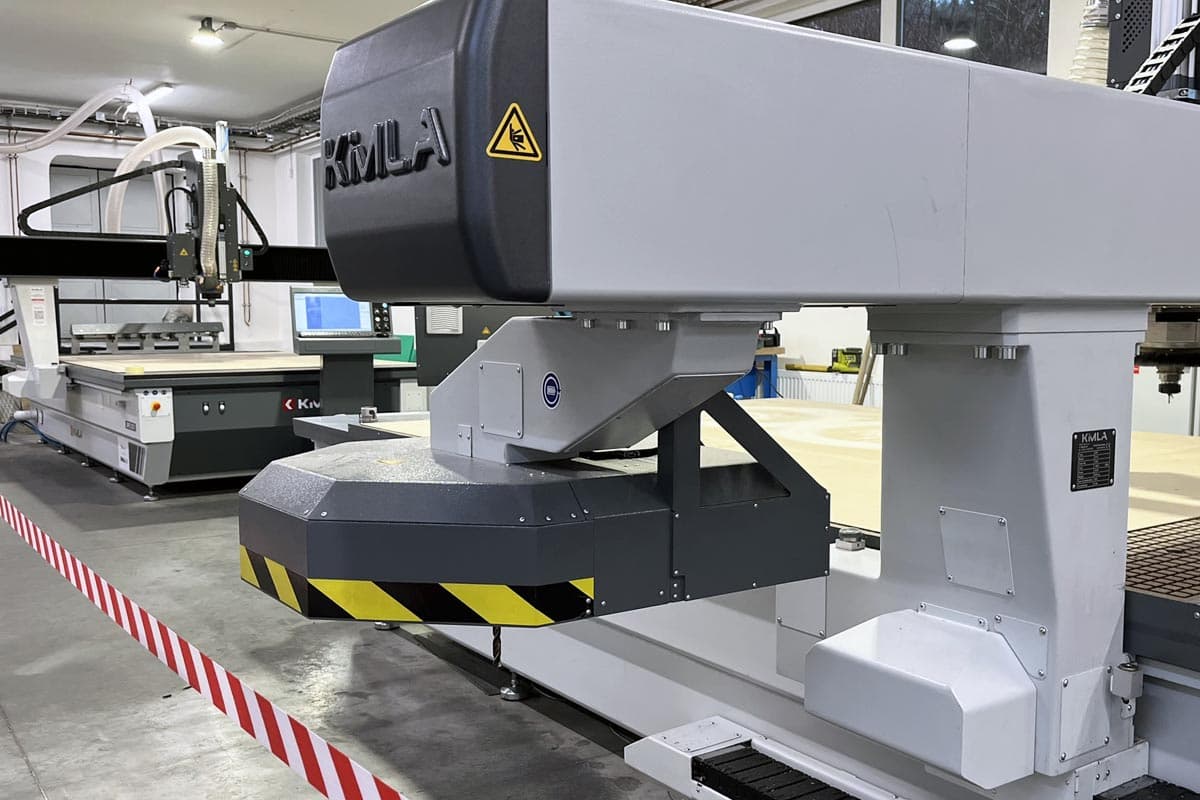
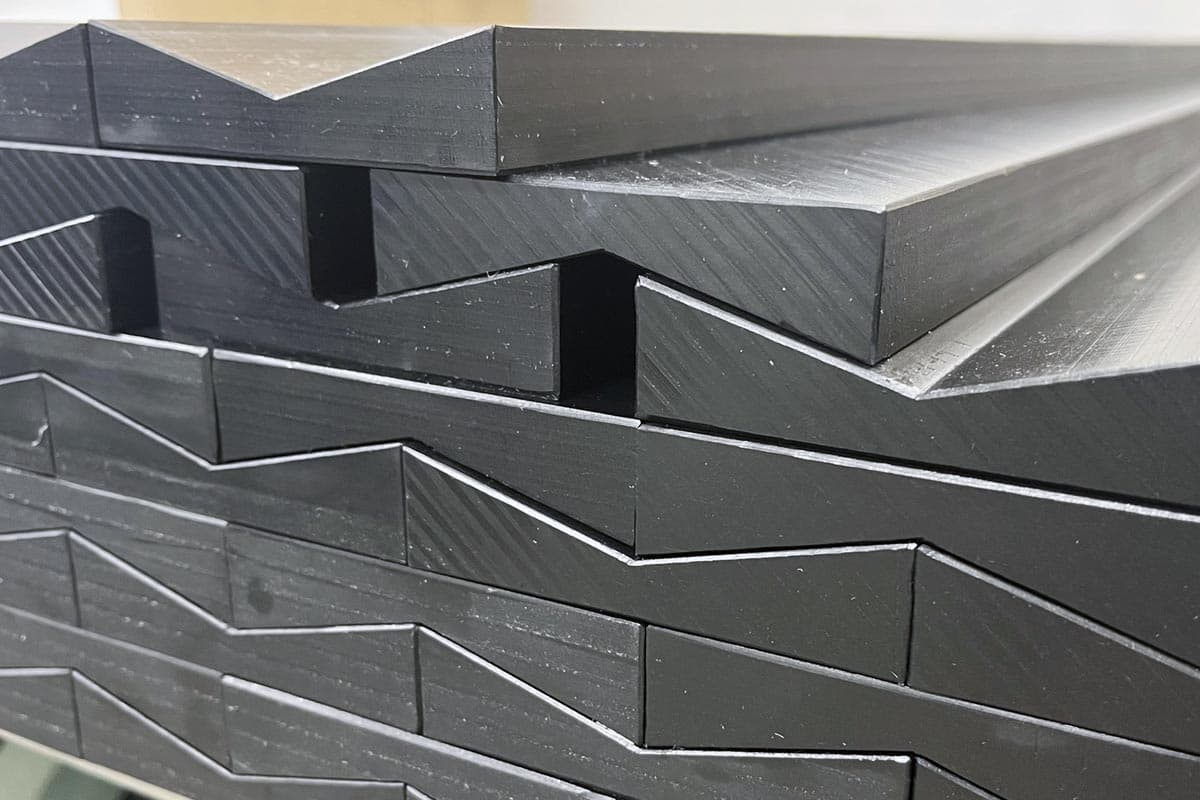
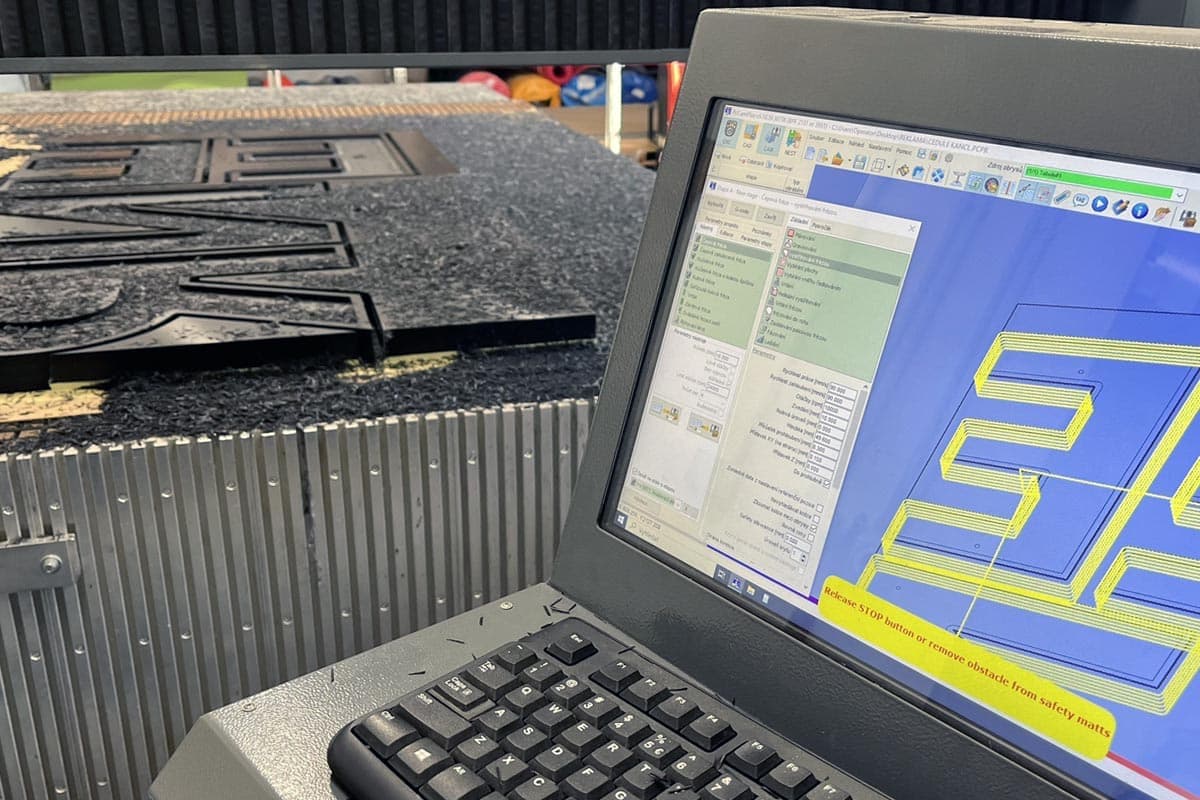
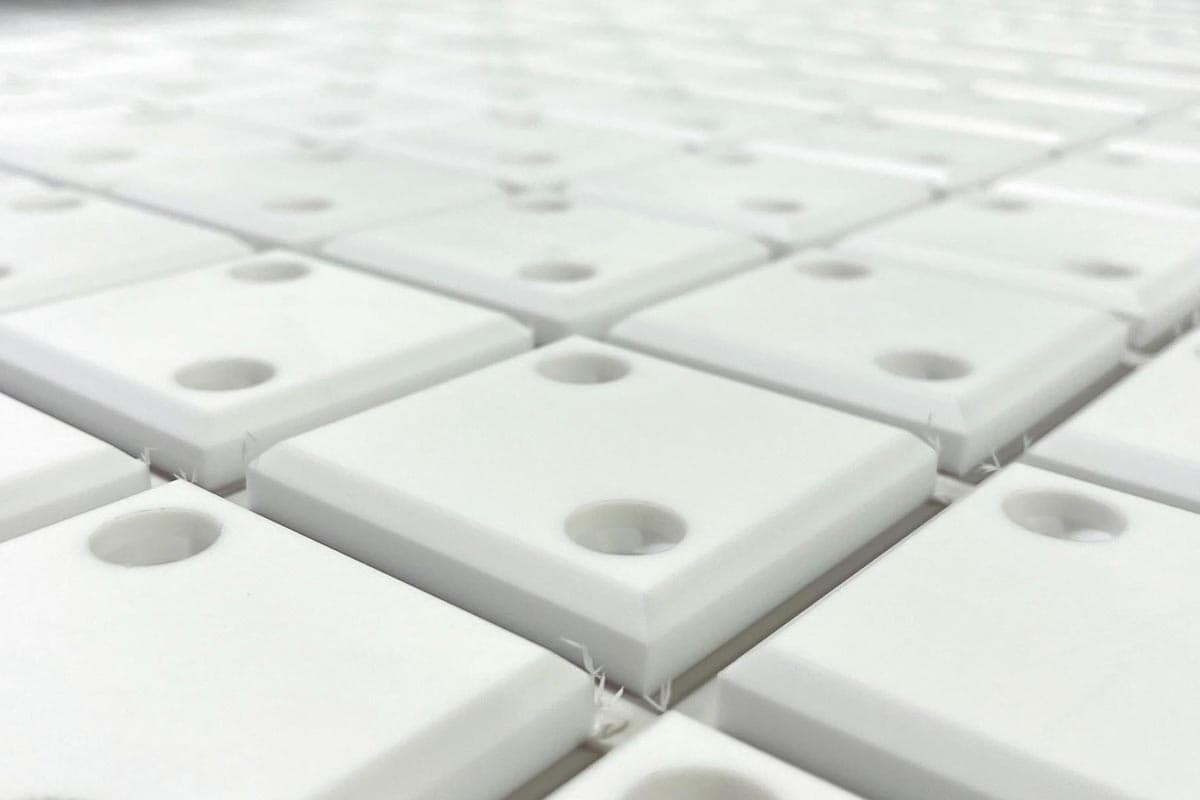
How do we mill polycarbonate?
What materials do we work with?
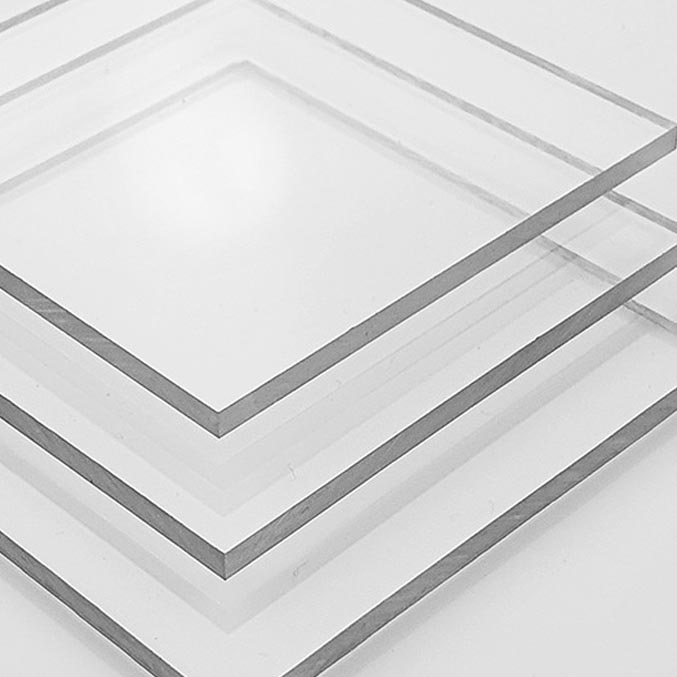
How is the CNC milling of polycarbonates done?
Inquire CNC milling of polycarbonate
In all areas of our operations, we place great emphasis on maximum quality of products and services, responsible approach to the environment, and work safety. We believe that these values are the foundation for long-term development and for building stable relationships with our customers. The confirmation of the quality of our work is the fact that we hold the ČSN EN ISO 9001:2016, ISO 14001:2016, and ISO 45001:2018 certifications.
Frequently Asked Questions
What types of polycarbonate can be CNC milled?
Most often, full transparent polycarbonate (PC) is machined, but also variants with increased mechanical resistance (so-called Margard) are used. We can also mill chamber polycarbonates and other variants.
What are the main advantages of milling polycarbonate?
Polycarbonate is a very durable engineering plastic with high toughness, strength and impact resistance. CNC milling enables the production of precision parts, enclosures, panels, insulation components or protective elements with clean edges and high dimensional accuracy.
Where are milled polycarbonate parts most commonly used?
Milled polycarbonate is used, for example, in the mechanical engineering, electrical engineering, automotive, advertising and machine guarding industries. Its high impact resistance also makes it suitable for safety and security applications. In general, it is used in many applications where it serves as a replacement for conventional glass.
What tolerances can be achieved when milling polycarbonate?
Production accuracy depends on the geometry of the part, the thickness of the material and the machining method. Thanks to modern CNC technology, even polycarbonate can be machined with high precision, where tolerances of +/-0.05 mm can be achieved.
What is the difference between milling polycarbonate and acrylic?
Polycarbonate is significantly tougher and more impact resistant than acrylic (PMMA). It is less brittle when milled and better able to withstand mechanical stresses. Acrylic, on the other hand, offers greater optical clarity and a harder surface, but is more susceptible to cracking.
What is the maximum size of a milled polycarbonate part?
The size of the part is determined by the default material format, which is 3050 x 2050 mm. Our CNC machines have a working area of 3100 x 2100 mm and therefore we can process the entire format and produce a really large part in one piece.