

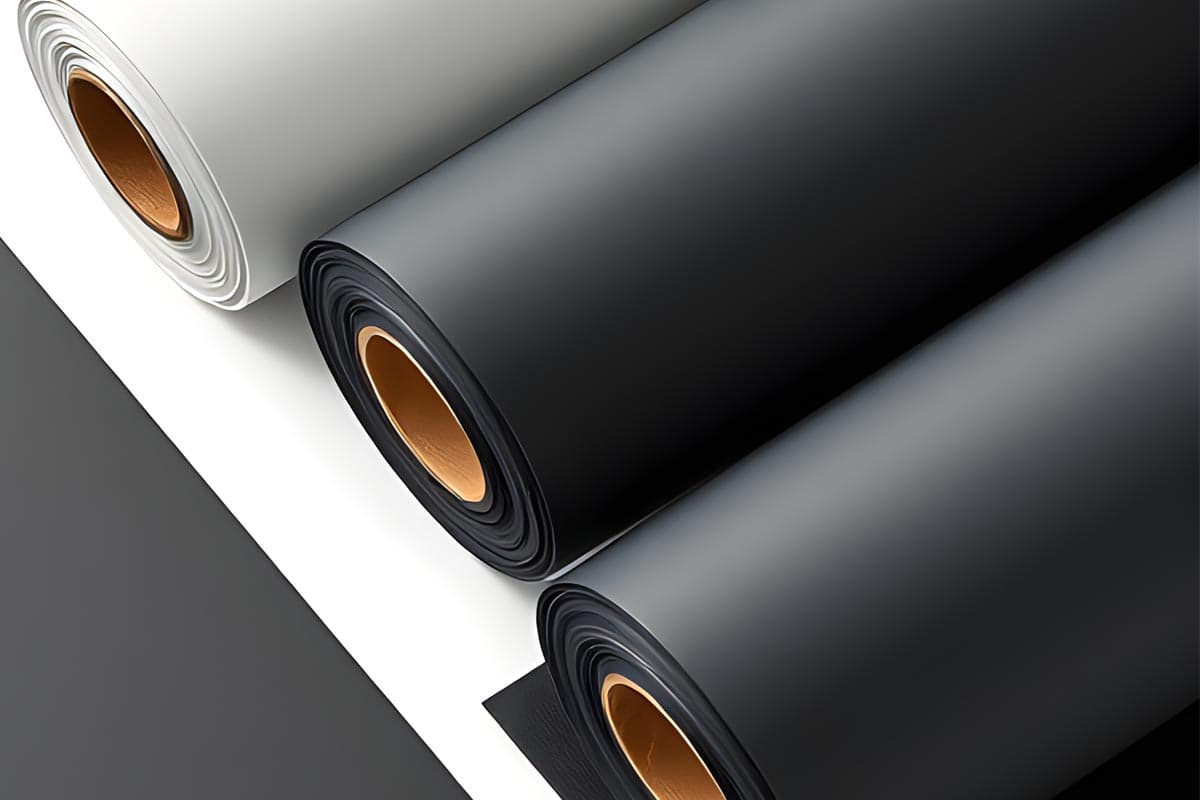
The technical rubber and its correct choice fundamentally affects the durability, service life and mechanical, thermal or chemical parameters of rubber products. The different types of technical rubbers often differ significantly from each other and therefore it is necessary to select a material tailored to the specific application. In this article, we’ll look at what all the acronyms mean and how to make sense of them.
Technical rubber and its basic properties
In order to properly assess and select the ideal material, it is necessary to observe and determine the requirements for several key properties. The basic ones include:
- Material hardness [°Shore A] – usually in the range of 50-90°Sh.A. The most commonly used hardness is 70 Sh.A.
- Temperature resistance [°C] – the long-term operating temperature that the material can withstand without changing its properties.
- Tensile strength [%] – describes the elasticity, indicates by how much % the material can be stretched before it breaks.
- Strength [MPa] – expresses the ability of the material to resist tensile stress without breaking.
- Specific gravity [g/cm3] – the density of the material, indicates how many grams a cm3 of material weighs
Dále je vhodné prověřit s jakými chemickými látkami bude technická pryž v kontaktu a v jakém prostředí bude fungovat. Na základě všech těchto informací a požadavků lze přesně vytipovat materiál, které bude situaci nejlépe vyhovovat.
Přehled námi nabízených pryžových materiálů naleznete v naší databázi materiálů v sekci Pryže.
Types of technical rubbers and their selected properties
SBR – General purpose technical rubber
SBR technical rubber is designed for universal use in all applications where the material is not subject to increased mechanical, thermal, and other requirements.
Benefits
- Universal use, favourable price, temperature resistance up to -30/70°C.
- Variants with 1 or 2 inserts (for increased mechanical strength).
- White colour variant with FDA approval (e.g. for use in the food industry).
Disadvantages
- Limited thermal and mechanical use.
- It is not resistant to oils and chemicals in the long term.
Use
- Pads, protective elements, damping elements.
- Seals, covers, interlayer between parts.
Pryž NBR – Pryž odolná olejům a ropným produktům
NBR rubber is particularly resistant to mineral and animal oils, fats, petrol, diesel and petroleum products in general.
Benefits
- Long-term resistance to petroleum products, temperature resistance up to -30/110°C.
- Variants with 1 or 2 inserts (for increased mechanical strength).
- White colour variant with FDA approval (e.g. for use in the food industry).
Disadvantages
- Low weather resistance. Not suitable for outdoor use.
- It is not resistant to brake fluids and concentrated chemicals.
Use
- Wherever rubber is in contact with oils and petroleum products.
- Fuel tank seals, fuel racks.
Pryž EPDM – Technická pryž odolná povětrnostním podmínkám a teplu
EPDM rubber is resistant to weather conditions, aging and has good chemical
resistance. It is resistant to acids, alkalis, alcohols and brake fluid.
Benefits
- Long-term weather resistance, temperature resistance up to -40/140°C.
- Resistance to UV radiation, ozone. Good chemical and temperature resistance.
- White colour variant with FDA approval (e.g. for use in the food industry).
Disadvantages
- It is not resistant to oils and petroleum products.
- Flammability, less resistance to abrasion and mechanical wear.
Use
- Parts used in the exterior.
- Seals in the automotive industry, temperature and chemical stressed parts.


Pryž FPM – Viton, technická pryž odolná vysoké teplotě a agresivní chemii
Technical rubber with excellent resistance to high temperatures, aggressive chemicals as well as oils and petroleum products.
Benefits
- Excellent temperature resistance up to -30/+275 °C. UV, ozone, ageing resistance.
- Resistant to aggressive oils, aliphatic, aromatic and chlorinated hydrocarbons.
- Resistance to aviation gasoline and many other chemicals.
Disadvantages
- It is not resistant to esters, ketones, alcohols.
- High price.
Use
- Extremely thermally and chemically stressed parts.
- Sealing elements in the chemical industry, aerospace industry.
NR – přírodní kaučuk – Paraguma, otěruvzdorná technická pryž, výborné mechanické vlastnosti
Rubber with excellent mechanical properties.
Excellent abrasion resistance, elasticity, toughness and softness.
Benefits
- Excellent mechanical properties and abrasion resistance (up to 100 mm3).
- Preservation of elastic properties even at low temperature.
- White colour variant with FDA approval (e.g. for use in the food industry).
Disadvantages
- Limited temperature of use.
- It is not resistant to oils, weathering, UV radiation and ozone in the long term.
Use
- Mechanically stressed parts, anti-vibration elements.
- Abrasion-resistant parts. Use in shotguns, hoppers, etc.
Pryž MVQ – Silikon, pryž pro potravinářský průmysl
Silicone rubber is mainly used in the food industry due to the fact that it does not affect the taste or smell of the medium with which it is in contact.
Benefits
- Excellent temperature resistance up to -90/230°C. Preservation of elasticity even at low temperatures.
- Aging and weathering resistance, good chemical resistance.
- FDA approval (e.g. for use in the food industry).
Disadvantages
- Low resistance to lubricants and mineral oils.
- It is not resistant to the effects of superheated steam in the long term.
Use
- Sealing elements in direct contact with products of the food industry.
- Pharmaceutical industry. Heat-stressed products.
Neopren (CR) – pryž odolná proti stárnutí – Neopren, technická pryž odolná strárnutí
Rubber with excellent resistance to ageing, UV radiation, ozone and weathering. The material is also self-extinguishing and resistant to oils and lubricants.
Benefits
- Long-term weather resistance, temperature resistance up to -30/120°C.
- Non-flammability, self-extinguishing.
- White colour variant with FDA approval (e.g. for use in the food industry).
Disadvantages
- Limited thermal and mechanical use.
- It is not resistant to aggressive chemicals.
Use
- Sealing elements for the exterior, parts with a requirement for flame retardancy.
- Parts exposed to oils or lubricants as well as weathering.
PUR – Polyuretanová pryž s výbornými mechanickými vlastnostmi a elasticitou
Material with excellent mechanical properties, toughness, excellent elasticity and abrasion resistance.
Benefits
- Excellent mechanical properties, temperature resistance -40/75°C.
- Good chemical resistance, resistance to hydrolysis.
- Possibility of applying the PUR layer on metal parts – tension rollers, pulleys, etc.
Disadvantages
- Low resistance to benzene and chlorinated hydrocarbons.
- Limited temperature use.
Use
- Mechanically stressed seals, abrasion-resistant elements.
- Hoppers, pulleys, traction wheels, spacers.
NBR/PVC, IIR, CSM, PVC – other rubber materials
Technical rubbers made from less commonly used polymers and compounds.
- NBR/PVC – Neobenzide – resistant to petroleum products, petrochemical industry.
- CSM – Hypalon – excellent resistance to oxygen, ozone, abrasion.
- IIR – Butyl – low gas permeability, excellent chemical resistance.
- Recycled rubber – good sound absorption, non-slip, various variants.
- PVC softened – slat screens, swing gates, anti-sweat baffles, sealing elements.
Disadvantages
- Lower stock availability – often custom production.
- Limited conditions of use according to the specific material.
Floor rubbers – technical rubbers with moulded surface
Rubber with a moulded surface designed primarily for flooring applications.
Benefits
- Anti-slip, anti-vibration, fire-resistant (class M3), electro-insulating and other types.
- Wide range of variants and designs. Width up to 2500 mm for selected types.
- Material with electrical strength, non-flammable floor rubber.
Disadvantages
- Basic temperature and chemical resistance.
Use
- Anti-slip pads, transformer stations, industrial halls.
- Workshops, sports halls, barns, stables.


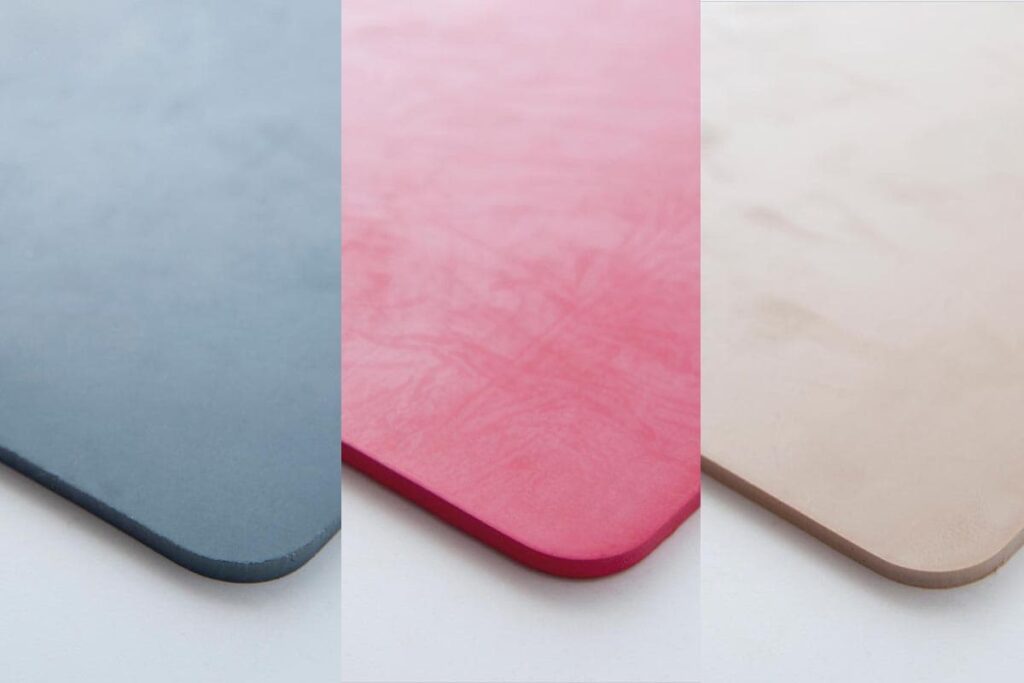
From our practice – processing of technical rubber
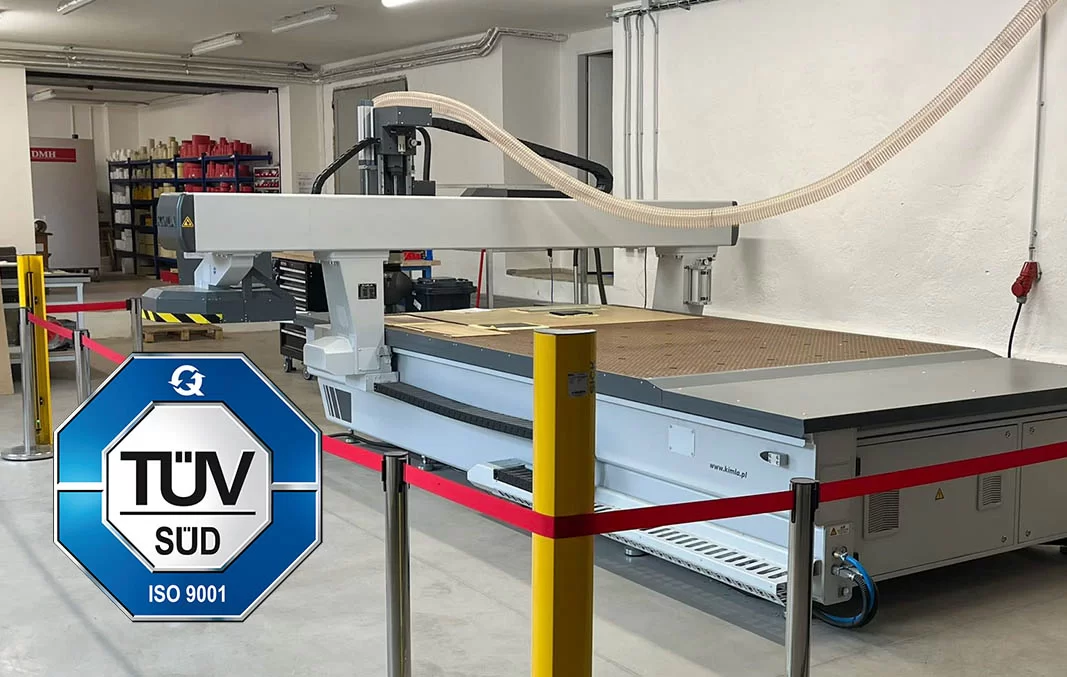
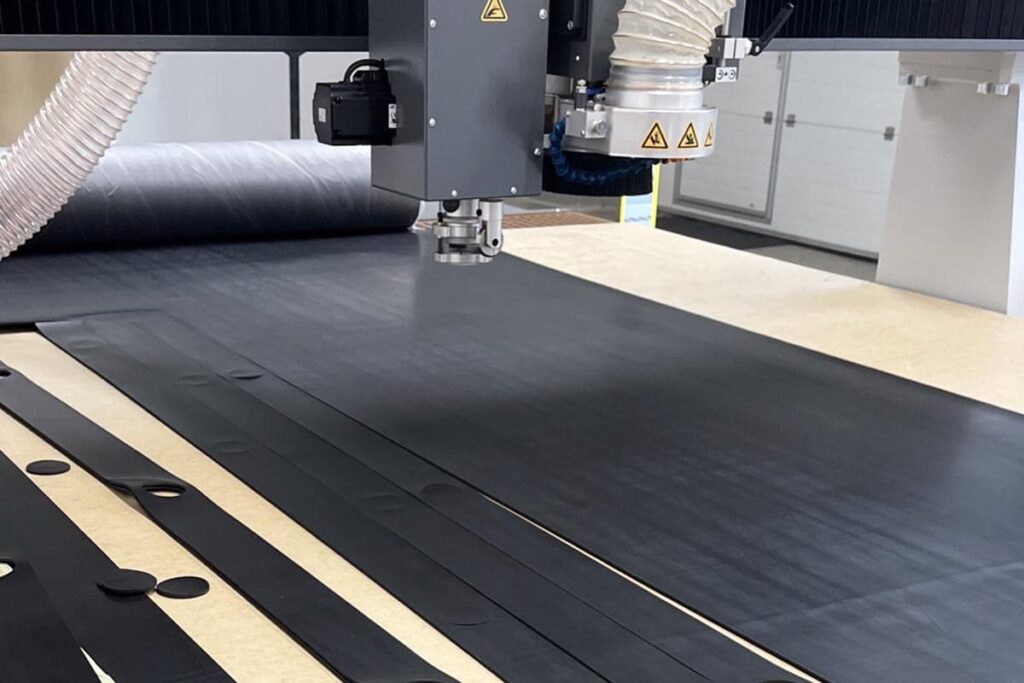
V oblasti technických pryží dovedeme nabídnout nejen základní materiál ve formě rolí a přířezů, ale také mnoho výrobků z technické pryže. V naší CNC výrobě disponujeme dvěma CNC plotry s pracovní plochou 3100 x 2100 mm, na kterých umíme vyrobit nejen pryžové ploché těsnění , ale také lepené dílce, velké pryžové dílce (sestaveno z více kusů s napojením lepeným rybinovým spojem), pryž dokážeme i frézovat a dodat umíme i vulkanizované výrobky (kombinace kov-pryž), silentbloky a další gumárenské dílce.
Základní pryžové materiály si udržujeme skladem abychom dokázali flexibilně řešit i urgentní požadavky, či potřebu pouze malého množství. Nabízíme široký sortiment technických pryží a dovedeme tak nabídnout řešení i pro velice specifické požadavky.
FAQ – Frequently Asked Questions
Which technical rubber is best for outdoor use?
For outdoor environments, EPDM or neoprene is most commonly used. EPDM has very high resistance to UV, ozone and weathering. Neoprene offers a good compromise between mechanical strength and weather resistance.
What technical rubber is suitable for contact with oil?
For contact with oils and petroleum products, NBR is the standard. For higher temperatures or aggressive chemical environments, FPM is used.
Can technical rubber be used for food contact?
Yes, selected types of rubbers are FDA approved and can therefore be used in direct contact with food or, for example, in the pharmaceutical industry. In the food industry, silicone is most commonly used.
Which rubber has the best elasticity?
NR natural rubber rubbers, called paragums, have the highest elasticity. They have a ductility of up to 900% and are therefore the ideal choice for mechanically stressed parts and anti-vibration elements.
What if the technical rubber is poorly chosen?
If the type of rubber is inappropriately chosen, the material will lose elasticity, crack or chemically degrade after a relatively short period of use. Some swelling or other deformations occur, leading to loss of functionality of the part.
Summary
There are many types and variants of technical rubbers, which differ significantly from each other. The correct choice of material is crucial for the correct functionality of the part. For this reason, it is always necessary to assess the specific application and select the material that best suits the requirements.
Potřebujete poradit s výběrem technické pryže? Kontaktuje nás a rádi Vám poradíme. Kromě výchozího pryžového materiálu Vám také vyrobíme ploché těsnění či obdobný pryžový díl na míru přesně dle Vašich požadavků.