

Milling of plastics
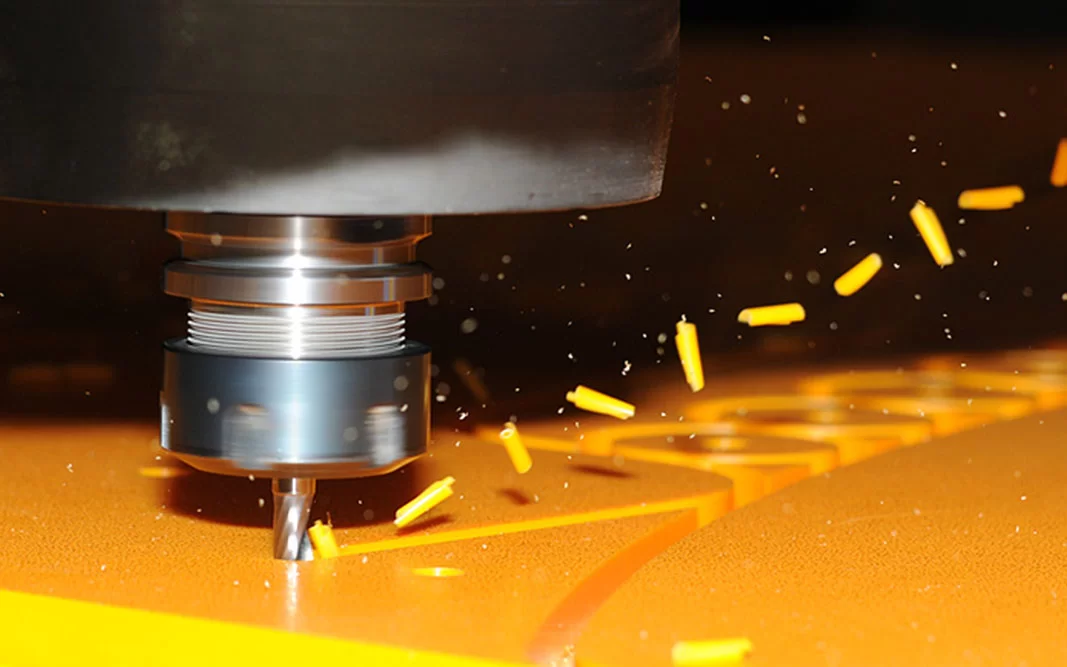
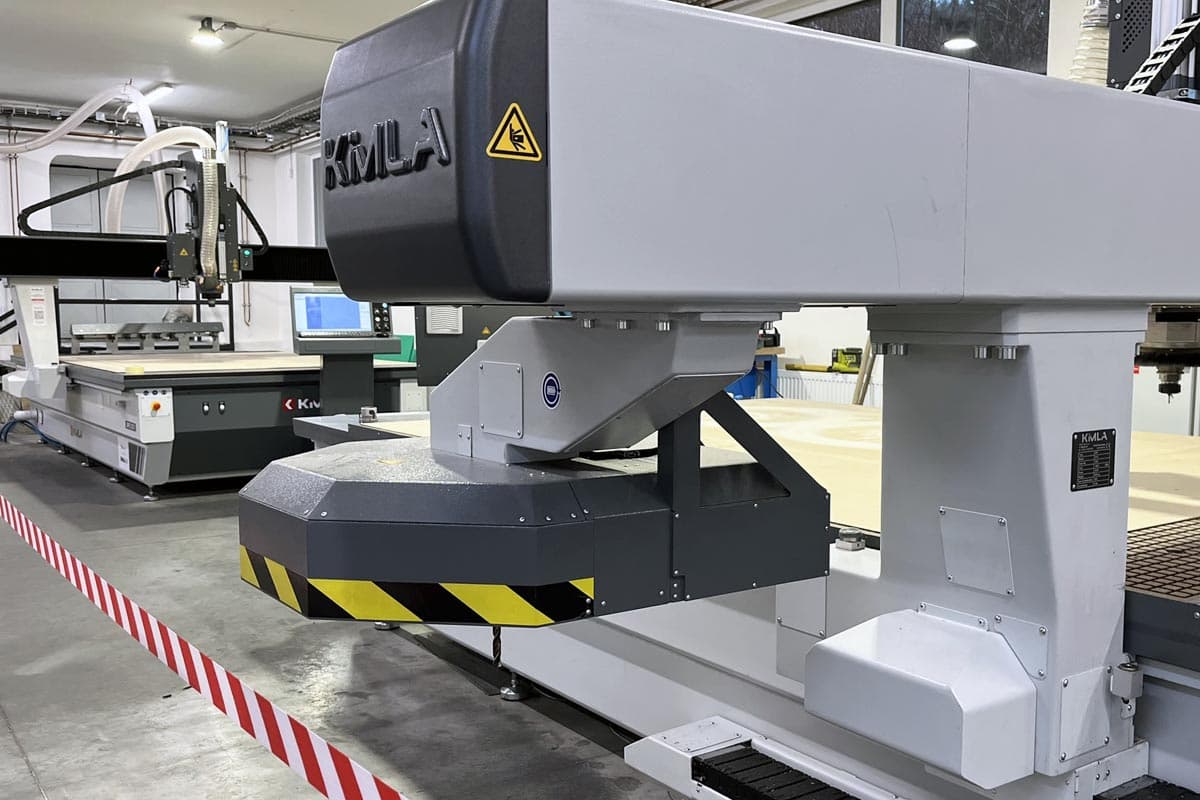
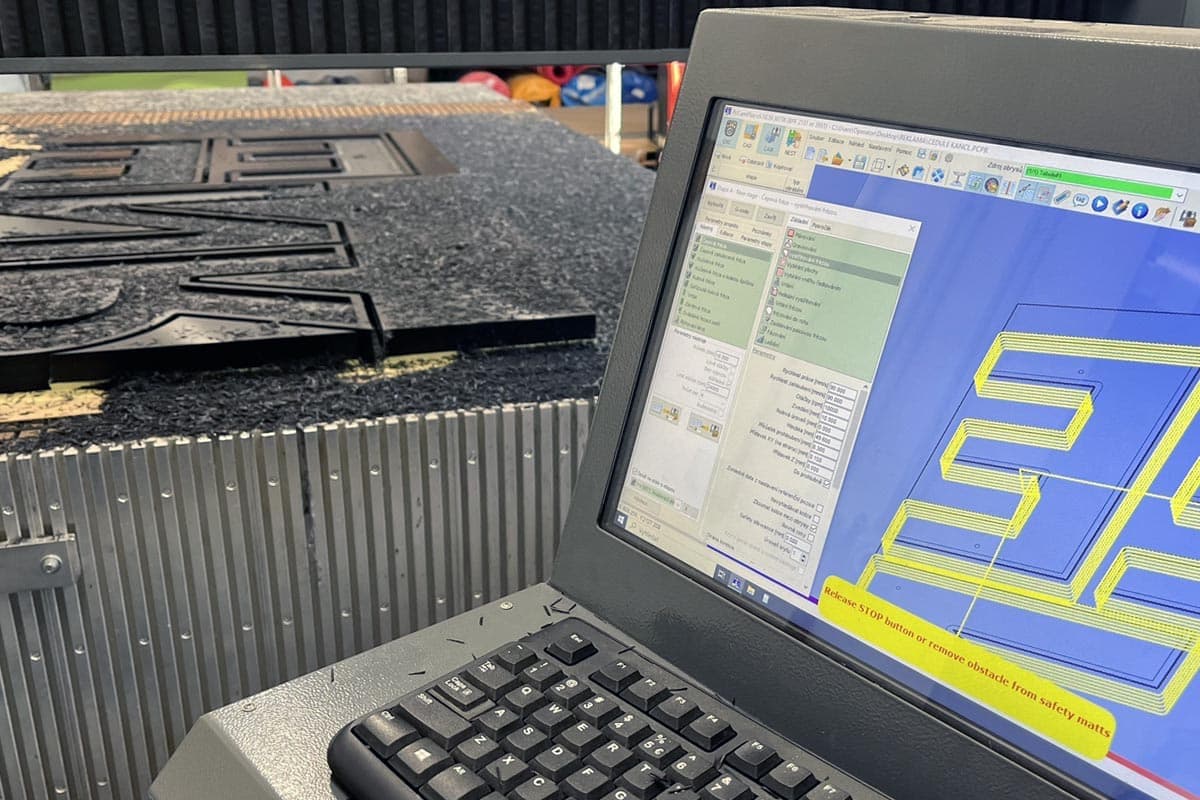
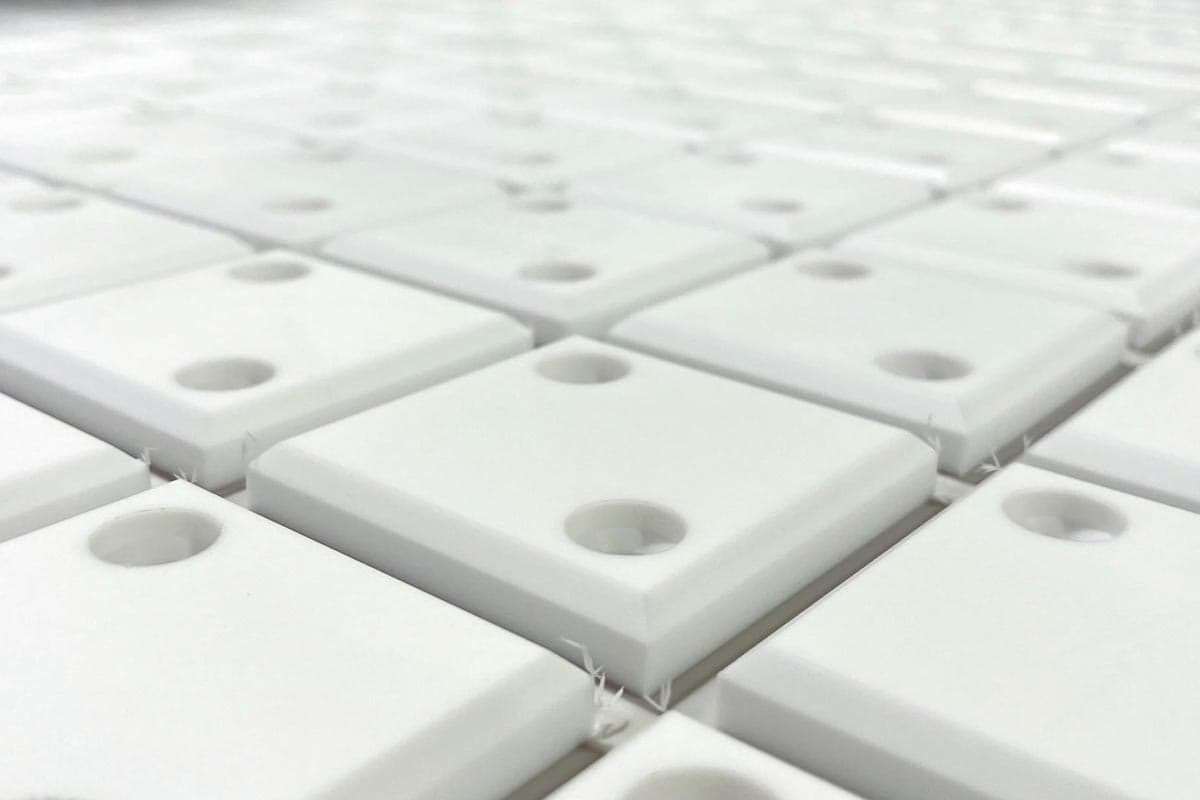
We produce milled parts up to 3100 x 2100 mm from technical plastics. Thanks to our two modern CNC milling machines, we can produce accurately, efficiently and qualitatively, and we can even handle large batches. We use an optical measuring machine to check the parts.



What we can solve:
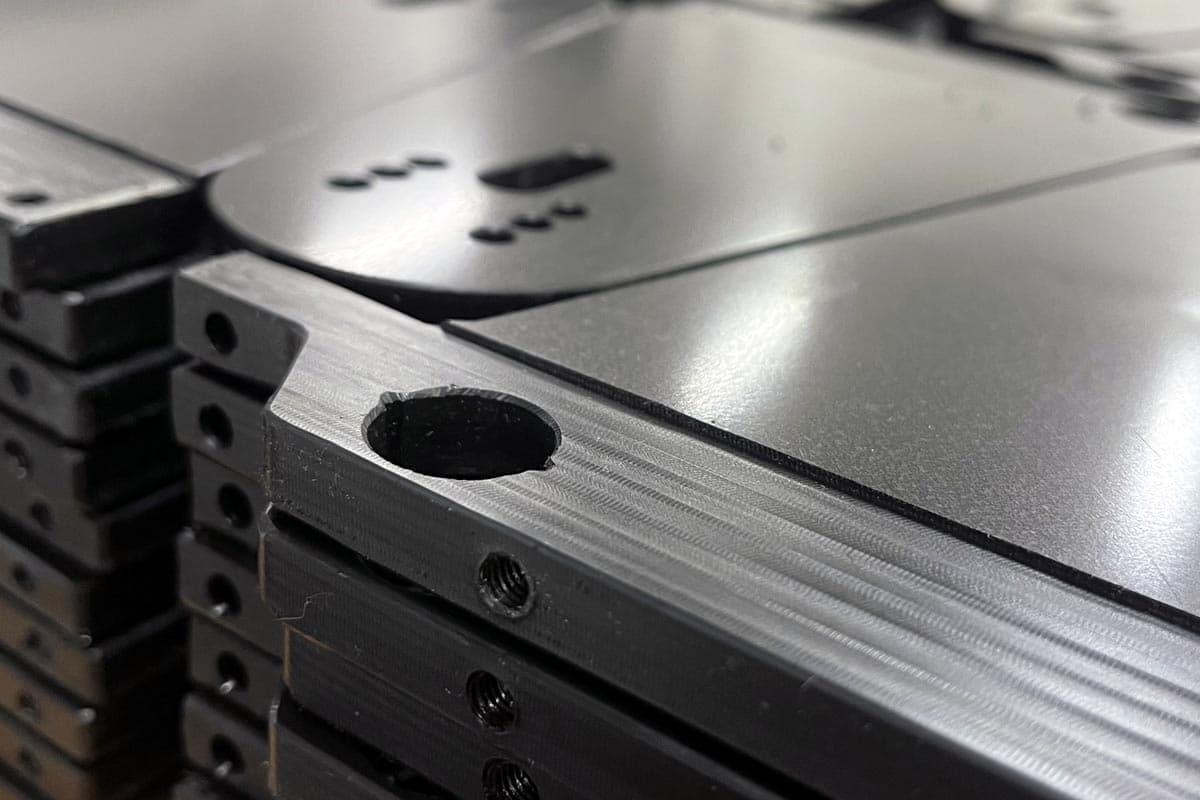
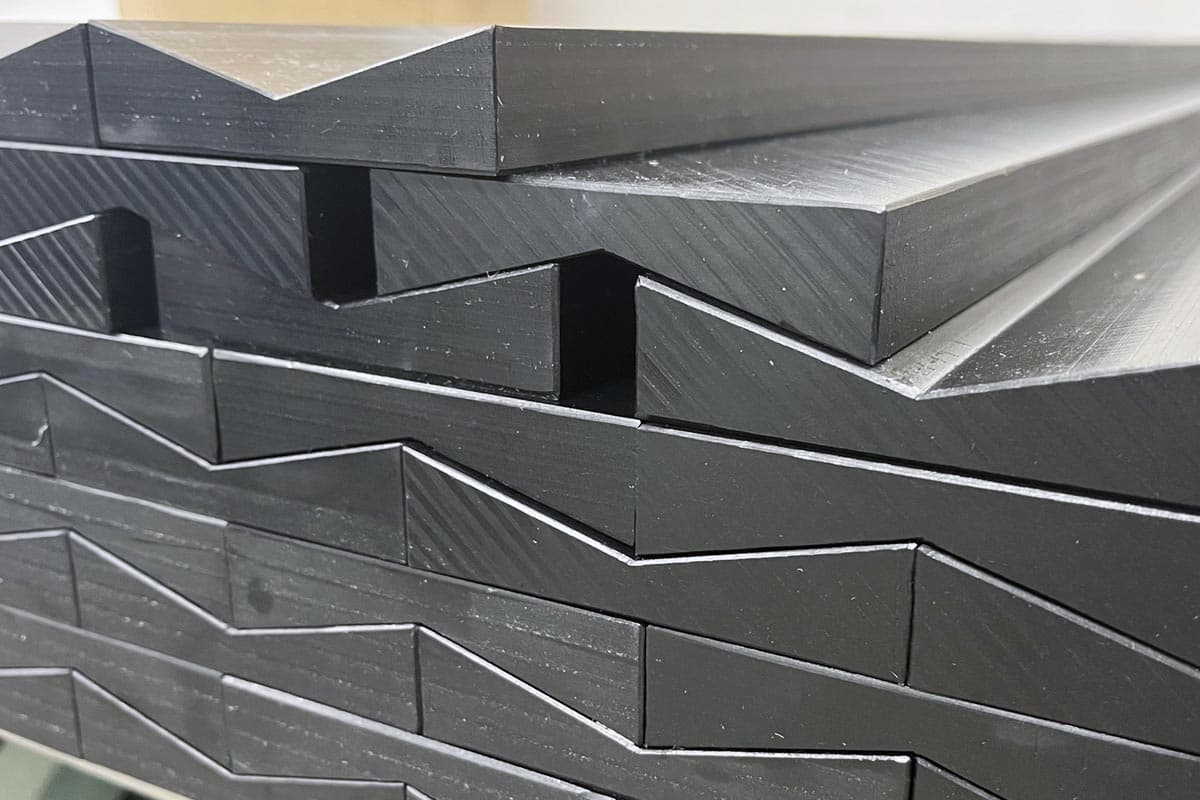
We produce milled parts from almost all engineering plastics. Most often we produce from PE, POM, PA, PP, PVC or PET, but we can also process many other technical plastics. Our CNC milling machines have a working area of 3100 x 2100 mm and we can produce large parts and large series. For a really precise inspection of the parts we use touch probes and also our optical measuring device, thanks to which we can guarantee the dimensional accuracy of the part with a measuring protocol. We also turn engineering plastics and perform other machine operations.
What materials do we work with?
How is CNC milling of plastics done?
Inquire CNC plastic milling
In all areas of our operations, we place great emphasis on maximum quality of products and services, responsible approach to the environment, and work safety. We believe that these values are the foundation for long-term development and for building stable relationships with our customers. The confirmation of the quality of our work is the fact that we hold the ČSN EN ISO 9001:2016, ISO 14001:2016, and ISO 45001:2018 certifications.
Frequently Asked Questions
What engineering plastics are suitable for CNC milling?
Engineering plastics that are suitable for milling include PE (Polyethylene), POM (Polyacetal), PA (Polyamide), PTFE (Teflon), but PP, PET, PVC, PEEK and other plastics are also used. The choice of the appropriate material depends on the requirements of the application.
What is the accuracy of CNC milling?
Our modern CNC milling machines allow us to achieve dimensional accuracy of up to +/- 0.05 mm. However, the possibility of achieving tolerances is highly dependent on the material being processed and the specific part. For example, with some engineering plastics, such precise tolerances are not possible due to their poorer mechanical properties and thermal expansion.
What are the main advantages of CNC milling over other manufacturing methods?
The main advantages of CNC milling include high precision, repeatability of production, flexibility (production without the need to invest in a mould, etc.), versatility and speed. All this makes this technology ideal for prototyping, small series production, but it also finds its place in large-scale production.
Is CNC milling also suitable for piece production?
Yes, CNC milling is a very suitable choice for prototyping and piece production because it does not require the preparation of expensive (and time-consuming) tooling – for example, injection moulds, etc.
What are milled parts made of engineering plastics used for?
Milled parts find applications across the industry. Whether structural components, sliding or abrasion-resistant parts, insulating components, covers, demarcation parts, advertising items and many more – engineering plastics are a versatile material.
What is the delivery time of CNC milling materials?
CNC milling does not require the preparation of moulds or other tools. As a result, production can be done really quickly and, if the material is available, the part can be produced within a few days. We keep a number of basic materials in stock so that we can react quickly and promptly to urgent requests and needs.