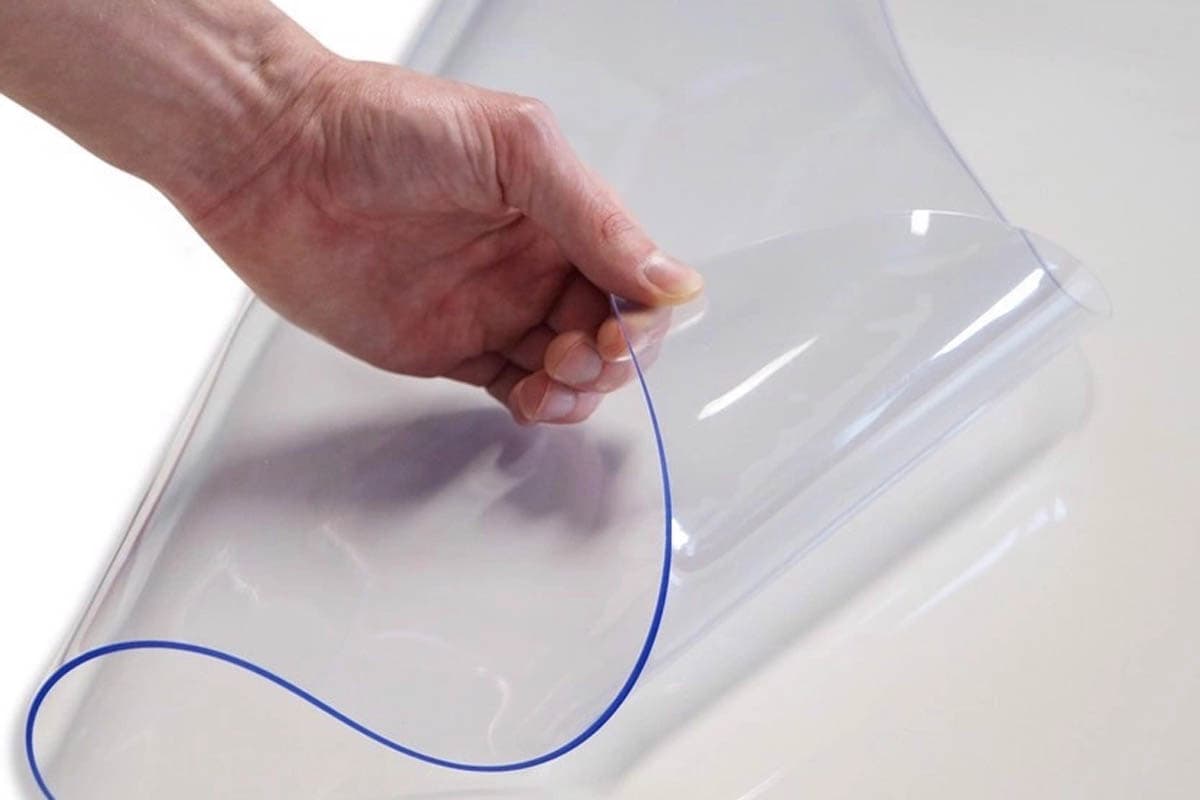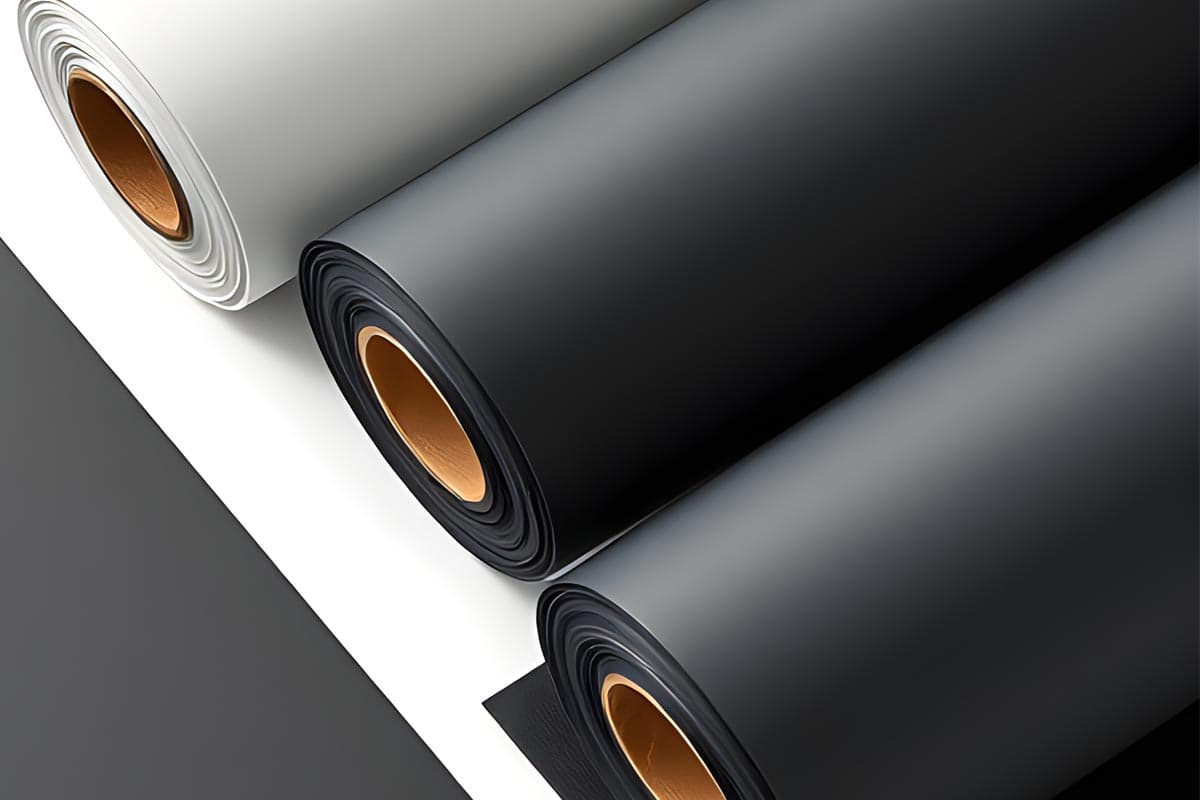


Rubber is one of the most important engineering materials in modern industry. Although most people associate it primarily with tires or rubber seals, its applications are much broader. Thanks to its unique combination of flexibility, strength, resistance to repeated deformation, and the ability to tailor its properties to specific requirements, it is used in nearly every industrial sector.
Article Contents
What Is Rubber and Why Is It One of Today’s Most Important Engineering Materials?
Rubber is used in the manufacture of hydraulic and pneumatic seals, O-rings, diaphragms, silent blocks, conveyor belts, hoses, anti-vibration components, sealing profiles, and protective covers. Without this material, it would be impossible to ensure the reliable operation of hydraulic systems, automobiles, construction machinery, or production lines.
A major advantage of rubber is the ability to tailor its properties to specific needs. By selecting the appropriate elastomer, it is possible to achieve high resistance to oils, fuels, chemicals, ozone, UV radiation, or extreme temperatures. Furthermore, modern synthetic rubbers make it possible to design materials precisely to meet the requirements of a specific application.
In this article, we will explore the history of rubber, its production, properties, the most commonly used types of elastomers, and its industrial applications. We will also explain the difference between natural rubber and synthetic rubber and outline the criteria for selecting the right material for technical applications.
What is rubber?
Rubber is an elastic polymeric material that can return to nearly its original shape after being deformed. This property, known as elasticity, is why rubber is used in applications where it is necessary to seal a joint, dampen vibrations, or compensate for the movement of individual components.
At the molecular level, rubber consists of long polymer chains. When a load is applied, these chains stretch, and once the force is removed, they return to their original configuration. This allows rubber to be repeatedly deformed without suffering permanent damage.
Unlike metals or most plastics, rubber offers a unique combination of flexibility and sealing properties. It can conform to minor irregularities in contact surfaces, absorb shocks, and withstand millions of repeated operating cycles.
Rubber is not the same as natural rubber
In everyday language, the terms ” caoutchouc ” and “rubber” are often used interchangeably; from a technical standpoint, however, they refer to different materials.
Rubber is a basic polymeric raw material that can be of natural or synthetic origin. Only after the addition of other components and the subsequent vulcanization process does rubber emerge as the final material with the desired mechanical and chemical properties.
For example, the following are added to the rubber compound:
- fillers (carbon black, silicon dioxide),
- plasticizers,
- antioxidants,
- stabilizers,
- vulcanizing agents,
- vulcanization accelerators,
- pigments and other additives.
Each compound is designed so that the resulting rubber meets the requirements of a specific application—from high resistance to oils to flexibility at very low temperatures.
Why is rubber such an exceptional material?
Rubber’s popularity is no accident. Few other materials offer so many useful properties at once.
Its main advantages include:
- high elasticity,
- the ability to seal even uneven contact surfaces,
- excellent vibration and shock absorption,
- high resistance to material fatigue,
- ability to operate over a wide temperature range,
- good electrical insulation properties,
- A wide range of chemical resistance depending on the type of elastomer.
It is precisely this combination of properties that makes rubber one of the most versatile engineering materials today.
The History of Rubber
The history of rubber use dates back thousands of years. While today’s elastomers are produced using modern chemical processes, early humans were using natural latex long before the advent of industrial production.
The development of rubber represents one of the most significant milestones in materials engineering and has had a major impact on the development of transportation, mechanical engineering, and the entire Industrial Revolution.
The First Use of Natural Rubber
The earliest evidence of the use of natural rubber comes from Central and South America. More than three thousand years ago, the Olmec, Maya, and later Aztec civilizations harvested latex from the Brazilian rubber tree (Hevea brasiliensis), a tropical tree native to the Amazon rainforest.
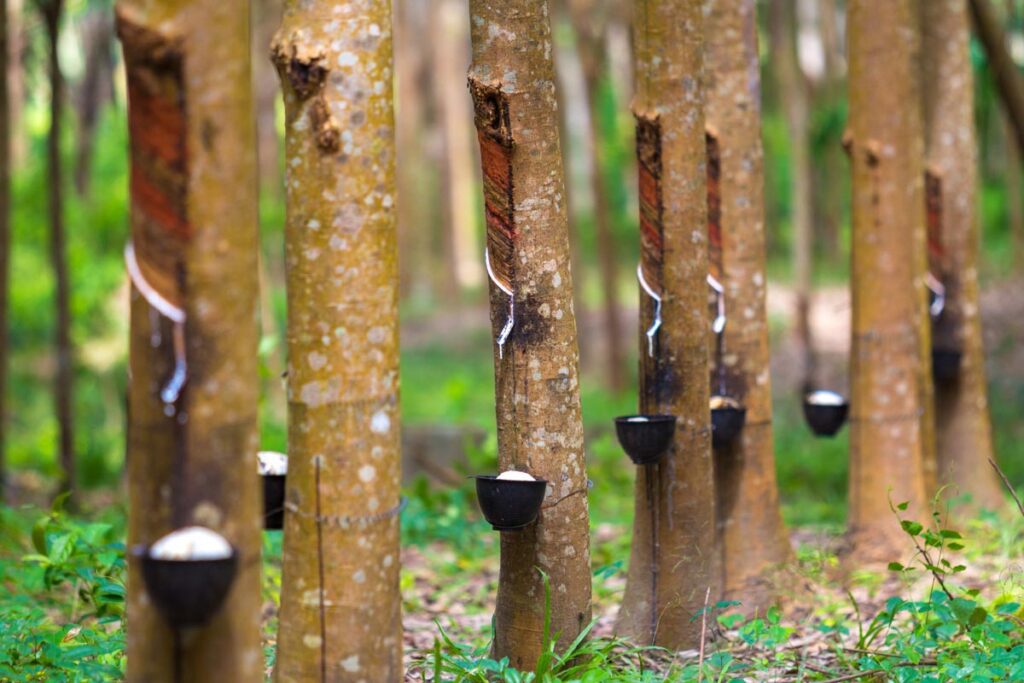
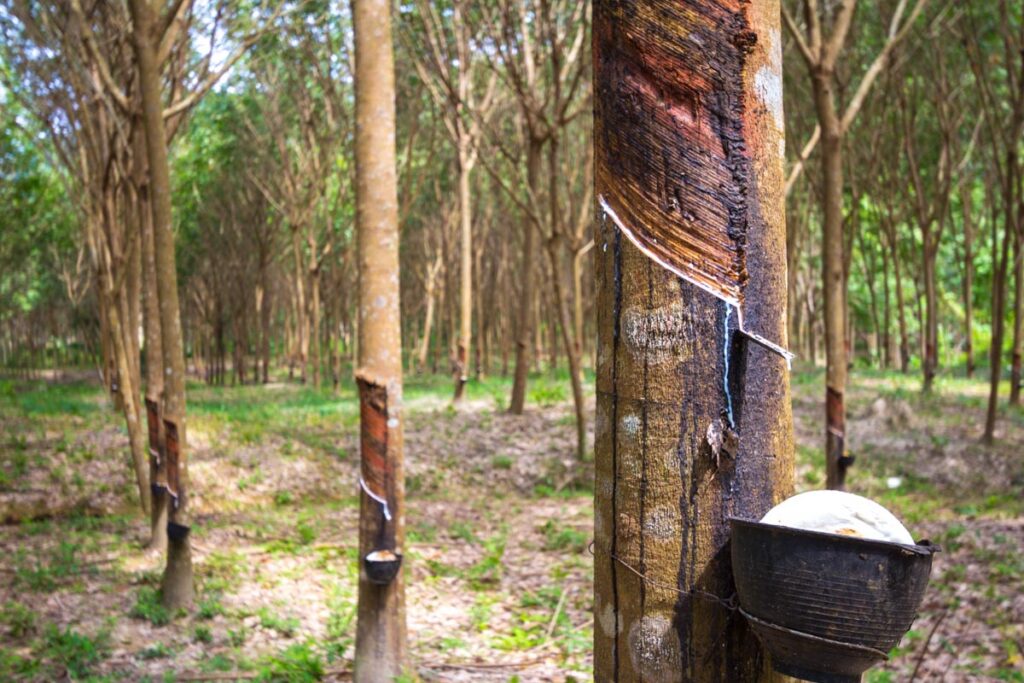
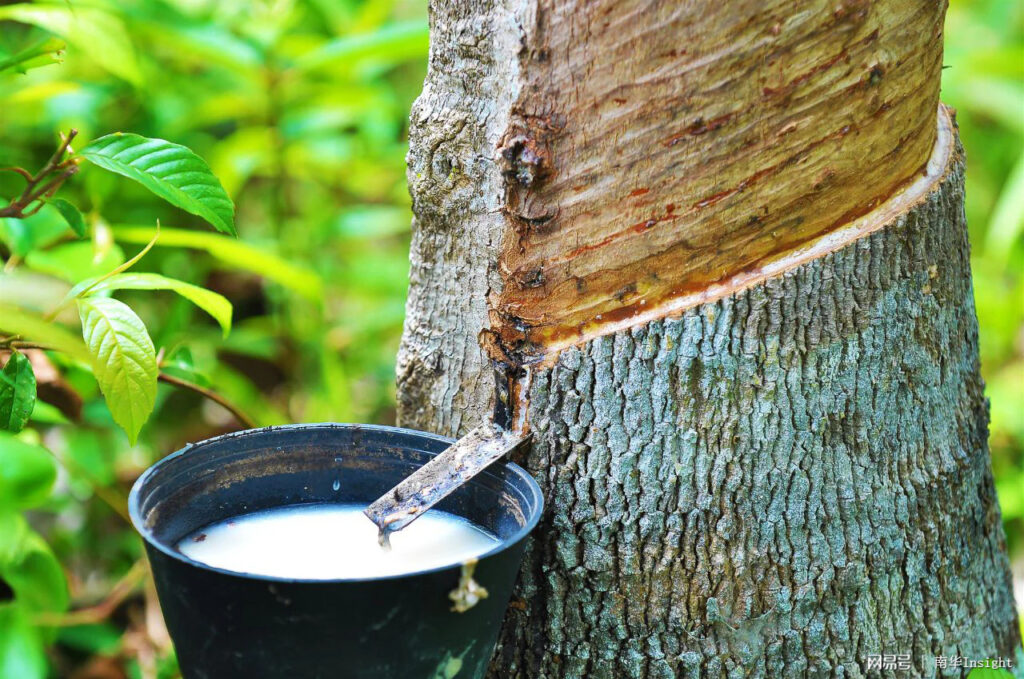
The Brazilian rubber tree remains the world’s most important source of natural rubber to this day. It grows to a height of up to 30 meters, and after reaching approximately six to seven years of age, it begins to produce latex—a milky-white liquid containing finely dispersed particles of natural rubber. Latex is harvested by carefully incising the tree’s bark, without cutting down the tree. With proper care, a single tree can be used for latex production for more than 25 years.
Indigenous civilizations used the harvested latex to make flexible and water-resistant objects long before people understood the chemical nature of this material. Once it had thickened and dried, it formed a flexible material that found a wide range of practical uses.
Among the best-known products were:
- balls for ritual games,
- water-resistant containers,
- protective layers of fabric,
- simple waterproof clothing,
- shoes.
Although the people of that time did not understand the chemical nature of the material, they were able to take advantage of its exceptional elasticity, water resistance, and ability to withstand repeated deformation.
From Natural Rubber to Modern Elastomers
The 20th century saw rapid growth in the chemical industry. Increasing demands for durable materials led to the development of the first synthetic rubbers, whose properties could be specifically tailored to particular applications.
This has resulted in elastomers that are resistant to:
- mineral oils,
- fuels,
- high temperatures,
- ozone,
- UV radiation,
- harsh chemicals.
Today, there are dozens of types of rubber designed for specific operating conditions. Each material offers a different combination of mechanical, chemical, and thermal properties, making it possible to design reliable solutions for hydraulics, pneumatics, the automotive industry, the energy sector, flat gaskets, the food industry, and the aerospace industry.
Although synthetic elastomers produced through petrochemical processes account for most of the world’s consumption today, the Brazilian rubber tree (Hevea brasiliensis) remains the primary source of natural rubber. Its plantations are now found primarily in Southeast Asia, particularly in Thailand, Indonesia, Vietnam, and Malaysia, which together account for the vast majority of global production of this strategic material.
How Rubber Is Made
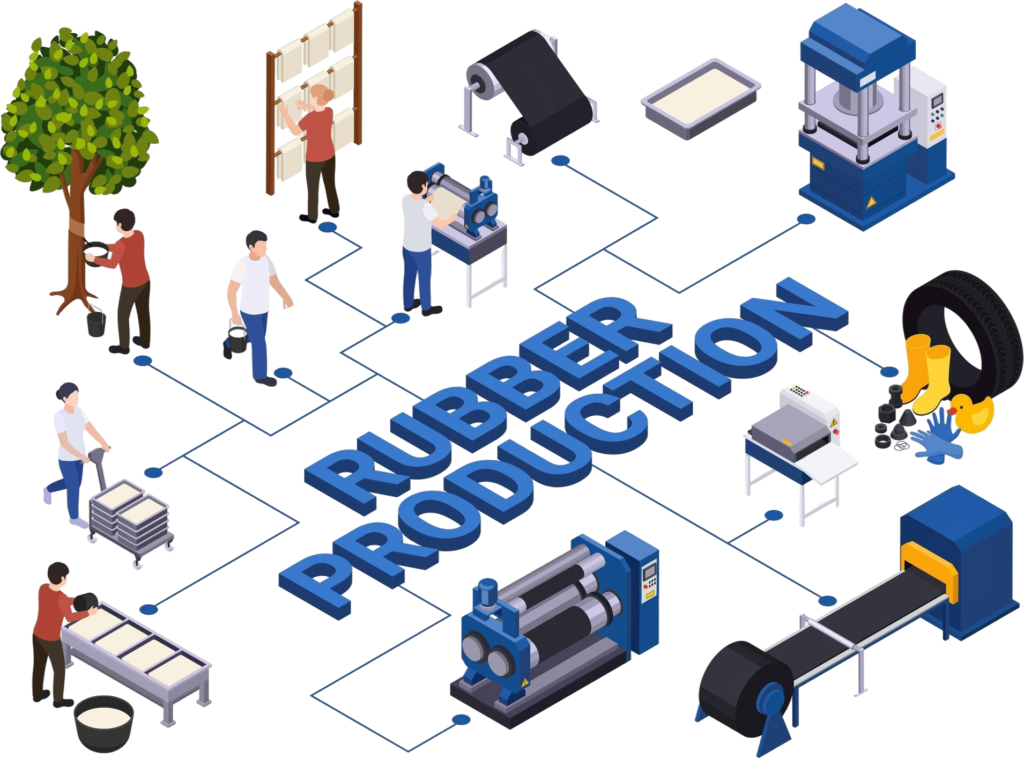
Rubber production is a complex technological process in which the basic polymer raw material is combined with other components and then processed into its final form. Depending on the origin of the starting raw material, we distinguish between two basic groups:
- natural rubber, produced from the latex of the Brazilian rubber tree (Hevea brasiliensis),
- synthetic rubber, produced by chemical polymerization from petrochemical raw materials.
Both types have their own specific properties and applications. While natural rubber is characterized by exceptional elasticity and high tensile strength, synthetic elastomers offer significantly better resistance to oils, chemicals, ozone, and high temperatures.
Natural Rubber Production
Natural rubber is made from latex extracted from the Brazilian rubber tree (Hevea brasiliensis). Although this tree was originally native to the Amazon region, today most of the world’s production is concentrated in Southeast Asia, where climatic conditions allow for efficient cultivation on large plantations.
Latex Harvesting
Latex production begins approximately six to seven years after the tree is planted. Experienced workers make shallow, angled cuts in the trunk, which damage the latex ducts located beneath the bark. Latex—a white emulsion containing approximately 30 to 40% natural rubber—then flows out of these cuts.
The cuts are made in such a way as to avoid damaging the wood or the tree’s growth ring. As a result, a single rubber tree can be used to produce latex for more than twenty years.
The collected latex is placed in small containers and then transported for processing.
Coagulation and Drying
Fresh latex consists mainly of water and is not suitable for direct industrial use. Therefore, it is first allowed to coagulate using organic acids, most commonly formic or acetic acid.
The resulting rubber compound is then:
- presses,
- washes,
- rolls,
- They are dried using hot air or smoke.
The result is rubber strips or blocks, which serve as the basic raw material for further industrial processing.
Synthetic Rubber Production
The growth of the automotive industry and the increasing demand for more durable materials led to intensive development of synthetic elastomers during the 20th century.
Unlike natural rubber, they are not derived from trees, but are produced chemically from monomers obtained primarily from petroleum or natural gas.
The main advantage of synthetic rubber is the ability to precisely control its properties during the manufacturing process. Manufacturers can modify the composition of polymer chains to create materials optimized, for example, for:
- contact with mineral oils,
- high operating temperatures,
- a corrosive chemical environment,
- outdoor use,
- low friction,
- high mechanical resistance.
As a result, there are now dozens of specialized elastomers designed for specific technical applications.
Synthetic Rubber – Manufacturing Process
Polymerization – The Basis for the Production of Synthetic Elastomers
Polymerization is a key process in the production of synthetic rubber.
Polymerization is a chemical reaction in which small molecules called monomers join together to form long polymer chains.
It is precisely the length, structure, and spatial arrangement of these chains that fundamentally influence the resulting properties of the material.
Depending on the monomers used, different types of elastomers are produced, such as:
| Elastomer | Basic monomers | Typical characteristics |
|---|---|---|
| NR | natural isoprene | high flexibility |
| NBR | butadiene + acrylonitrile | oil resistance |
| EPDM | ethylene + propylene + diene | weather resistance |
| SBR | styrene + butadiene | wear resistance |
| CR | chloroprene | weather resistance |
| FKM | fluorinated monomers | high chemical resistance |
| VMQ | siloxanes | high heat resistance |
Every polymer represents a compromise between mechanical properties, chemical resistance, cost, and processability.
Mixing Rubber Compounds
Rubber alone is not yet ready for use in the manufacture of technical parts. First, a rubber compound with the desired properties must be created.
During mixing, additional ingredients are added to the polymer:
- carbon black or silicon dioxide as fillers,
- plasticizers,
- process oils,
- antioxidants,
- antiozonants,
- pigments,
- vulcanizing agents,
- vulcanization accelerators.
The ratio of the individual components has a significant impact on the final properties of the rubber. Production formulas therefore represent valuable know-how for individual manufacturers.
Rubber Molding
Once the mixture has been prepared, the next step is to produce the semi-finished or finished product.
Several basic technologies are used.
Molding
One of the most widely used methods for manufacturing gaskets and technical molded parts.
The rubber compound is placed in a mold, where it is molded into the desired shape under pressure and at an elevated temperature.
Injection
Rubber injection molding is similar to plastic injection molding.
The material is injected into a closed mold under high pressure. This technology enables high manufacturing precision and is particularly well-suited for large-scale production.
Extrusion
Extrusion is used to produce long profiles with a constant cross-section.
Typical products include:
- sealing profiles,
- hose,
- rubber cords,
- protective strips.
Calendering
During calendering, the rubber passes through a set of rollers, where rubber strips or sheets of precisely defined thickness are produced.
These semi-finished products are subsequently used, for example, in the manufacture of sealing plates or conveyor belts.
Vulcanization – the most important step in the entire production process
Without further processing, the rubber compound itself would not be strong enough or dimensionally stable.
The key production step is vulcanization, during which chemical bonds are formed between polymer chains.
Sulfur vulcanization is the most commonly used method; for some special elastomers, peroxide vulcanization or other cross-linking systems are used.
During vulcanization, a three-dimensional network of polymer chains forms, which gives the material its characteristic properties.
After proper vulcanization, the rubber acquires:
- high elasticity,
- significantly higher strength,
- better abrasion resistance,
- greater thermal stability,
- lower permanent deformation after compression,
- longer service life.
It is precisely through vulcanization that a soft, sticky rubber compound is transformed into an engineering material capable of withstanding demanding operating conditions over the long term.
Physical and Chemical Properties of Rubber and an Overview of the Most Common Types of Elastomers
Choosing the right type of rubber is one of the most important factors affecting the service life and reliability of a technical component. Individual elastomers differ not only in their chemical composition but also in their resistance to temperatures, oils, chemicals, weathering, and mechanical stress.
There is no single material that is best for all applications. Each type of rubber is optimized for specific operating conditions.
A Comparison of the Most Common Types of Rubber
| Material | Oils | UV and Ozone | High temperatures | Water and Steam | Typical Applications |
|---|---|---|---|---|---|
| NR | ✕ | ✕ | ● | ● | Dynamically Loaded Parts |
| NBR | ✔ | ✕ | ● | ● | Hydraulic Seals |
| EPDM | ✕ | ✔ | ✔ | ✔ | Outdoor Applications |
| FKM | ✔✔ | ✔ | ✔✔ | ● | Chemical Industry |
| CR | ● | ✔ | ● | ● | Industrial Parts |
| SBR | ✕ | ● | ● | ● | Tires |
| VMQ | ● | ✔ | ✔✔ | ✔ | Food Industry |
| HNBR | ✔✔ | ● | ✔ | ● | Demanding industrial applications |
Legend: ✔✔ = excellent resistance, ✔ = good resistance, ● = limited resistance, ✕ = unsuitable.
This article provides detailed information on each type .
Advantages and Disadvantages of Different Types of Rubber
Every elastomer represents a certain compromise between mechanical properties, chemical resistance, thermal stability, and cost. Therefore, there is no single material suitable for all applications.
| Material | Key Benefits | Limitations |
|---|---|---|
| NR | High elasticity, tensile strength, fatigue resistance | Not suitable for oils, ozone, or UV radiation |
| NBR | Excellent resistance to oils and fuels | Limited weather resistance |
| EPDM | Resistance to UV radiation, ozone, water, and steam | Not suitable for mineral oils |
| FKM | Superior chemical and heat resistance | Higher purchase price |
| CR | Good mechanical strength and weather resistance | Average resistance to oils |
| SBR | Low price, good abrasion resistance | Lower chemical resistance |
| VMQ | Wide temperature range, safe for human health | Lower abrasion resistance |
| HNBR | High mechanical strength and long service life | Higher price compared to NBR |
How do you choose the right material?
The selection of a suitable rubber should always be based on actual operating conditions. It is necessary to take into account not only chemical resistance, but also mechanical stress and the surrounding environment.
When making your selection, we recommend asking yourself a few basic questions:
- What medium will come into contact with the material?
- What are the maximum and minimum operating temperatures?
- Will the product be exposed to UV radiation or ozone?
- Will it be a static or dynamic seal?
- What is the operating pressure?
- Are certifications required, such as for the food industry or drinking water?
Only by combining this information can you select a material that will perform reliably throughout the equipment’s service life.
The Most Common Mistakes When Choosing Rubber
An inappropriate choice of material is one of the common causes of premature failure of seals and other rubber components.
The most common mistakes include:
- use of a material without verifying its chemical compatibility,
- underestimation of operating temperatures,
- choosing rubber that is too soft or too hard,
- failure to account for the effects of UV radiation or ozone,
- an effort to minimize costs at the expense of material suitability,
- Selection based solely on the original part number, without knowledge of the operating conditions.
In most cases, the higher investment in a more suitable elastomer pays off in the form of a longer service life, lower maintenance costs, and greater equipment reliability.
FAQ – frequently asked questions
What is rubber?
Rubber is an elastic polymeric material derived from natural or synthetic rubber. Thanks to its elasticity and durability, it is primarily used in the manufacture of seals, hoses, diaphragms, anti-vibration components, and other technical parts.
What is the difference between rubber and caoutchouc?
Rubber is a basic polymer raw material. Rubber is produced only after further processing, during which fillers, stabilizers, and a vulcanization system are added.
What is natural rubber?
Natural rubber is produced from the latex of the Brazilian rubber tree (Hevea brasiliensis). It is characterized by high elasticity and excellent mechanical properties.
What is synthetic rubber?
Synthetic rubber is produced by the chemical polymerization of monomers derived primarily from crude oil or natural gas. It offers a wide range of properties depending on the specific type of elastomer.
What is vulcanization?
Vulcanization is a process in which chemical bonds form between polymer chains. It is this process that gives rubber its strength, elasticity, dimensional stability, and durability.
What types of rubber are there?
Among the most commonly used are:
NR, NBR, EPDM, FKM, CR, SBR, VMQ.
Each of these materials is suitable for different operating conditions.
Which type of rubber is the most resistant to oils?
NBR is primarily used for general-purpose applications. HNBR or FKM is used in more demanding conditions.
Which type of rubber is resistant to UV radiation?
EPDM, silicone rubber (VMQ), and FKM fluorinated elastomers, in particular, have very good resistance to UV radiation and ozone.
What type of rubber is suitable for high temperatures?
For high-temperature applications, FKM or silicone rubber (VMQ) are most commonly used, as they retain their properties even at significantly elevated temperatures. High-quality EPDM also has good temperature resistance.
What type of rubber is suitable for the food industry?
Special elastomers that meet the requirements of the relevant food contact regulations are used. These are often silicone materials or special EPDM or FKM compounds with the appropriate certification.
How long does rubber last?
Service life depends on both the type of material and operating conditions. Properly designed rubber parts can provide reliable service for many years.
Can rubber be recycled?
Yes, some types of rubber can be recycled or reused, for example, as an additive in new products. The extent of recycling depends on the type of elastomer and how it is processed.
How to Choose the Right Rubber?
When making a selection, it is necessary to consider the working medium, temperature, pressure, type of motion, mechanical load, and required service life. For more demanding applications, it is advisable to consult an expert regarding material selection.
Conclusion
Rubber is one of the most versatile engineering materials available today. Thanks to its combination of flexibility, mechanical strength, and the ability to tailor its properties to specific operating conditions, it remains an indispensable part of modern industry. Whether it involves the manufacture of seals, hydraulic components, or specialized technical parts, the right choice of elastomer is the foundation of reliable and long-term operation.
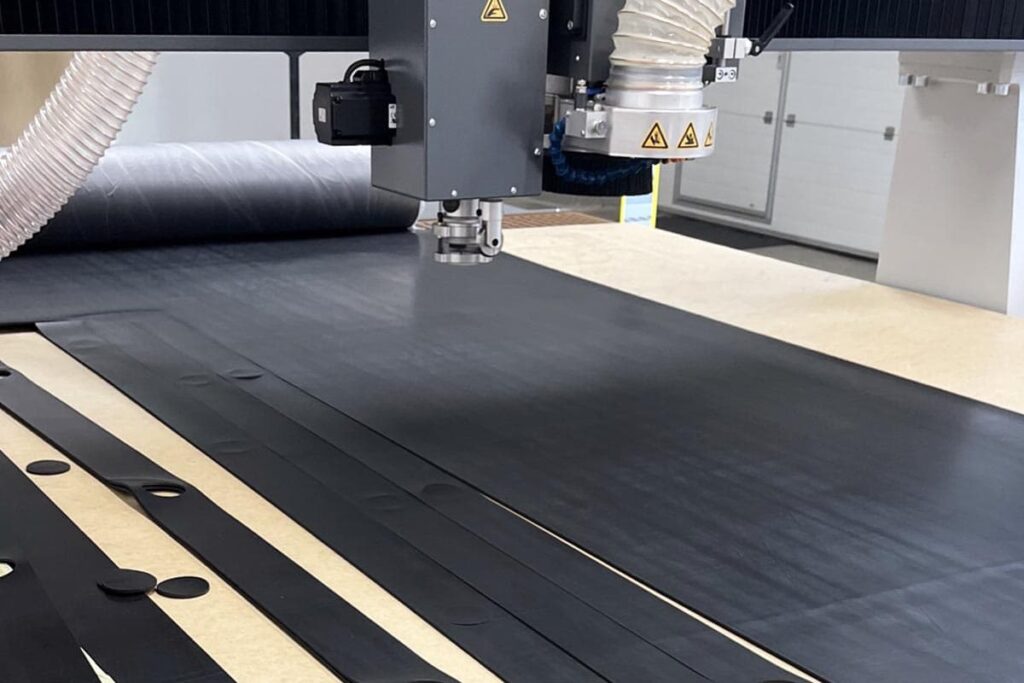
Are you interested in technical rubber or rubber products? We specialize in rubber and can offer a wide range of raw materials as well as precision products manufactured using CNC turning or CNC cutting.